Professional Dog Clippers: How to Choose the Right Grooming Tool
We may earn a commission for purchases made using our links. Please see our disclosure for more details.
A clipper that snags in thick fur or heats up halfway through a haircut can turn routine grooming into a stressful experience. Professional dog clippers are built for more demanding work, but the right choice depends on your dog’s coat, your experience, and how much trimming you actually plan to do. A heavy-duty corded machine may be worthwhile for a curly-coated dog that needs frequent haircuts, while a lightweight cordless model can be more practical for small touch-ups.
This guide explains the differences between clipper types, motors, blades, and accessories. It also compares five specific models and covers preparation, safe handling, and maintenance. The goal is to help you buy a tool that suits your dog’s grooming needs without paying for features you won’t use.
What Makes Professional Dog Clippers Different?
Professional clippers generally emphasize sustained cutting power, replaceable blades, and components designed for repeated grooming sessions. Many use detachable blade systems, allowing you to change cutting lengths or replace a warm blade without replacing the whole tool.
Professional doesn’t automatically mean better for home use. Choose a tool that handles your dog’s coat consistently without pulling hair.
Do You Actually Need Professional-Grade Clippers?
Owners maintaining a Poodle or Maltese may appreciate a durable tool for frequent full-body trims. Occasional paw tidying may need only a detail trimmer.
If you only brush a short-coated dog and rarely shorten its fur, buying a full grooming clipper may be unnecessary. Difficult coats and anxious dogs may still require an experienced groomer.
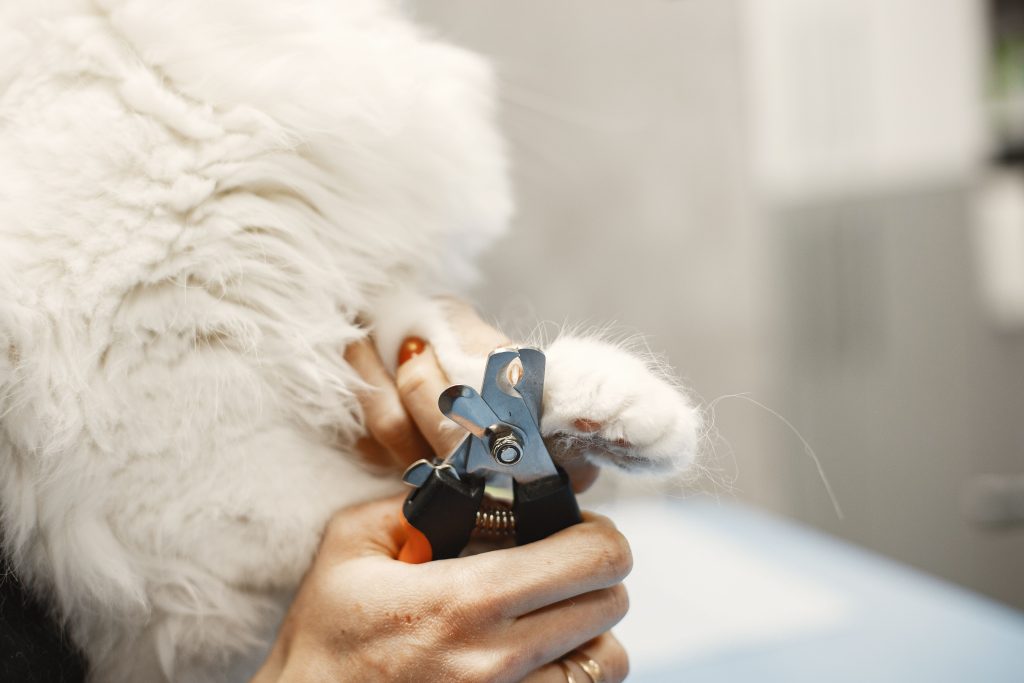
Match the Clipper to Your Dog’s Coat Type
Fine, manageable hair usually places fewer demands on the motor than a dense, curly coat. For a regularly trimmed Poodle or doodle, prioritize a full-size clipper with reliable blade options and enough cutting power for prepared, dry fur.
Small dogs with light coats may suit adjustable cordless models. Double-coated breeds, including Huskies, generally should not be shaved because doing so can affect coat protection and regrowth. Consult a groomer first.
Severe mats are another category entirely. Don’t force a guard comb through tangled hair or attempt close shaving against skin you cannot clearly see.
Corded vs. Cordless: Which Is Better?
Corded clippers suit lengthy sessions without battery interruptions, although the cable must stay clear of your dog’s feet.
Cordless clippers allow easier movement around the table and can be convenient for nervous dogs or quick finishing work. However, battery runtime, charging time, and replacement battery availability matter. Some cordless tools also prioritize compact handling over heavy coat removal.
For multiple dogs, compare usable battery runtime.
Understand Motor Power, Speed, and Noise
Motor speed is commonly expressed as strokes per minute, or SPM. Higher speed can help with certain cutting tasks, but it doesn’t automatically mean a clipper will handle thick coats better. Torque and blade condition also matter.
Two-speed models provide flexibility: a lower setting may offer more controlled trimming, while a higher setting supports broader coat work. Noise and vibration matter too, especially for sound-sensitive dogs. Even “quiet” models need a gradual introduction.
Choose Blades and Guide Combs Carefully
Blade numbers can feel backward: on common detachable blade systems, a higher number leaves shorter hair. Andis’s published chart, for example, lists a #10 blade at approximately 1.5 mm and a #7FC at approximately 3.2 mm. Those lengths are quite short for an entire body trim.
Snap-on guide combs can leave more coat, but only when they’re compatible with the clipper and underlying blade. A comb that fits one brand’s detachable blades may not fit a five-in-one adjustable blade.
Check manufacturer compatibility; guide combs cannot safely cut through tight mats.
Look Beyond Power: Grip, Heat, and Accessories
A clipper that feels balanced is easier to guide around a moving dog than one that strains your wrist. Compare body shape, weight, switch placement, and whether replacement blades are readily available.
Check the included blade, combs, oil, brush, charger, and batteries; package contents differ.
All blades can heat up, so check temperatures and take breaks.
Five Professional Dog Clippers Worth Considering
These five tools cover different grooming situations rather than promising that one clipper suits every dog. Match the intended job to the product’s blade system, power source, and handling limits.
1. Wahl Pro Animal KM Inspire Grooming Clipper Kit, Dogs, Cats & Horses
Best for: Frequent full-body grooming and dense, curly coats.
This corded clipper uses a brushless motor with two speeds and constant-speed control. The kit includes a detachable #10 blade and four stainless-steel guide combs, offering options for prepared coats. Its balanced design supports longer work sessions, but the cable and full-size body make it less convenient for quick trimming in cramped areas.
2. Andis 24675 UltraEdge 2-Speed Detachable Blade Clipper, 120V, Black
Best for: Versatile professional-style grooming with replaceable blades.
The AGC2 provides two rotary motor speeds and an interchangeable blade system compatible with several Andis blade ranges. A long cord supports full-body sessions without charging interruptions, while its sturdy housing suits repeated use. The trade-off is limited freedom of movement compared with cordless clippers; compatible guard combs may also need to be purchased separately.
3. Wahl Professional Animal Arco Cordless Clipper Kit, 8786-452, Champagne
Best for: Portable finishing work and small-dog grooming.
The Arco has an adjustable five-in-one blade, a compact body, and two interchangeable rechargeable battery packs. That makes changing cutting lengths and moving around paws or body contours convenient. However, its blade format differs from standard detachable systems, and it is better suited to lighter clipping and finishing than demanding bulk removal through thick coats.
4. oneisall Low Noise Dog Clippers Grooming Kit for Dogs Cats Pets
Best for: Beginners trimming manageable coats at home.
This rechargeable cordless kit includes six guide combs and a removable, rinsable blade, providing a straightforward starting setup. The various comb lengths help owners experiment with longer trims on well-prepared fur. It lacks the interchangeable professional A5-style blade system used by heavier-duty models, so it is a less flexible choice for intensive clipping or difficult coats.
5. Ruri’s Cordless Low-Noise Pet Trimmer for Small Dogs and Cats
Best for: Narrow areas and occasional precision touch-ups.
Ruri’s compact, battery-powered trimmer is designed for localized hair cleanup around areas such as paws and the face. Its narrow cutting head offers better access than a bulky full-size machine, provided the dog remains calm. It is not a substitute for a full-body clipper, and delicate areas still call for appropriate training and careful handling.
Prepare Your Dog and Workspace Before Clipping
Start with a clean, thoroughly dry coat. Brush and comb it section by section, checking for hidden knots that could catch the blade. If a comb cannot pass through without pulling, address the tangle before attempting a haircut.
Choose a stable, non-slip surface with good lighting and keep supplies within reach. For help selecting a suitable setup, see our pet grooming table guide.
Allow your dog to inspect the clippers while they are turned off, reward relaxed behavior, and slowly introduce the sound over time. Never force a haircut.
How to Use Dog Clippers More Safely
Begin on a broad, relatively flat area of the body rather than the face or underarms. Choose a suitable blade or comb, hold the clipper at the angle recommended by its manufacturer, and make smooth, controlled passes in the direction of coat growth for a natural finish.
Keep loose skin gently taut without pulling your dog into an uncomfortable position. Never dig the blade into folds, press harder when hair catches, or repeatedly scrape one area. Check the blade against your inner wrist frequently; switch it off and let it cool if it feels uncomfortably warm.
Stop if your dog struggles, hair snags, or skin looks irritated. Leave sensitive areas to trained groomers.
Clean and Maintain Clipper Blades Properly
Switch off and unplug the machine, or remove its battery when directed, before cleaning. Brush away hair from the blade and housing. Clean and disinfect according to the manufacturer’s directions, then dry thoroughly and apply the specified clipper oil in the recommended places.
Do not immerse an entire clipper just because its detachable blade is washable. Avoid oiling over packed hair, which traps debris and reduces cutting performance.
Replace damaged blades and seek professional sharpening where appropriate. Store blades dry and inspect electrical parts before reuse.
Common Mistakes and When to Call a Groomer
One common mistake is buying by advertised motor speed without checking blade compatibility. Another is using a short blade for a haircut that should leave substantial coat length. Both can lead to disappointing or risky results.
Don’t treat a new clipper as permission to remove severe mats at home. Skin can be pulled into tangled coat, and careless cutting may cause injury. Dogs with sores, painful skin, extensive matting, or intense grooming anxiety need professional assessment.
Ask a groomer which tasks are safe between appointments.
What Grooming Standards and Veterinary Guidance Recommend
The American Kennel Club’s professional dog grooming educational standards call for sound equipment, gradual introduction to clippers, attention to burns, and continuous supervision on grooming tables. These are professional training standards, not proof that any particular clipper prevents injuries.
VCA Animal Hospitals’ coat-care guidance advises professional help for severe matting and warns against cutting close to the skin without care. A University of Tennessee veterinary clipper-maintenance guide, updated in 2016, also stresses cleaning debris before lubrication and keeping cutting edges sharp.
Together, these sources support a practical priority: preparation, gentle handling, and blade maintenance matter more than an impressive motor specification. They don’t establish that one consumer clipper is safer than another.
Frequently Asked Questions About Professional Dog Clippers
Are human hair clippers safe to use on dogs?
Pet-specific clippers are generally a better choice for regular coat trimming. Their blade options and motor designs are intended for animal grooming, while human hair clippers may struggle with dense fur. Still, even pet clippers require careful handling, and a dog’s coat type determines whether clipping is appropriate at all.
Are professional dog clippers worth buying for one dog?
They can be, particularly for a dog that needs frequent full-body haircuts. A reliable detachable-blade system and replaceable parts may justify the investment over time. If your dog only needs occasional paw cleanup, a smaller trimmer or periodic professional appointments may make more sense than a heavy-duty machine.
What blade should a beginner use on a dog?
There isn’t one safe blade length for every dog or body area. A #10 blade is common on professional clippers but leaves very short hair. Ask a groomer about suitable lengths for your dog’s coat and hairstyle, and use compatible guide combs only on properly prepared, unmatted fur.
Do professional clippers work on matted dog hair?
Some powerful clippers can remove certain mats, but that doesn’t make home removal safe. Tight mats conceal the skin and can make accidental cuts more likely. If matting is extensive, painful, or close to the skin, arrange professional grooming or veterinary care rather than trying to force a blade beneath it.
How often should I oil dog clipper blades?
Follow your clipper and blade manufacturer’s maintenance schedule, including oiling during longer sessions if instructed. Remove loose hair before applying oil, and use only products approved for that blade system. If cutting becomes rough, check for dirt, improper assembly, heat, or dullness rather than simply adding more oil.
Final Thoughts on Choosing Professional Dog Clippers
The best professional dog clippers are the ones that match your dog’s coat and the amount of grooming you can perform safely. For frequent, demanding body trims, the Wahl KM Inspire offers a purpose-built corded option; the Andis AGC2 is another sensible choice when interchangeable blades are a priority. For smaller dogs and finishing work, the Wahl Arco offers cordless flexibility.
Before buying, check replacement-blade availability, guard-comb compatibility, handling comfort, and the contents of the kit. Then give coat preparation and your dog’s comfort as much attention as the clipper itself. If you are unsure about severe mats or sensitive areas, book a professional groom rather than attempting a risky shortcut.