How To Properly Socialize A Puppy
We may earn a commission for purchases made using our links. Please see our disclosure for more details.
Bringing home a puppy is sweet chaos. One minute they’re a fluffy angel. Next, they’re barking at a grocery bag like it owes them money.
That’s why learning How To Properly Socialize A Puppy matters so much. Socialization helps your puppy feel safe around new people, sounds, places, textures, animals, and everyday routines.
This guide will walk you through practical puppy socialization tips, what to avoid, useful tools, research-backed advice, and simple ways to build your puppy’s confidence without overwhelming them.
Affiliate Disclosure: As an Amazon Associate, I may earn from qualifying purchases at no extra cost to you.
What Puppy Socialization Really Means
Puppy socialization is not just “letting your puppy meet dogs.”
It means helping your puppy build positive associations with the world. Think of it like creating a friendly map in their brain. New person? Safe. Vacuum sound? No big deal. Car ride? Treats happen.
Good socialization includes:
- People of different ages, sizes, voices, and clothing styles
- Safe, friendly dogs
- New surfaces like grass, tile, carpet, and sidewalks
- Household sounds
- Gentle handling
- Short car rides
- Calm alone time
The goal is not a puppy who loves everything wildly. The goal is a puppy who can notice life and think, “Okay, I can handle this.”
Why Early Puppy Socialization Matters
The early months shape how your puppy views the world. The American Veterinary Society of Animal Behavior says the first three months are the most important socialization period, and poor socialization can raise the risk of fear, avoidance, and aggression later.
That sounds serious because it is. But here’s the encouraging part: small, kind, consistent exposure can make a huge difference.
You don’t need to become a professional trainer overnight. You just need a plan, patience, and a pocket full of tiny treats.
The Best Age to Start Socializing a Puppy
The best time to start is as early as possible, while staying safe and following your vet’s guidance.
AVSAB notes that puppies can often begin puppy socialization classes as early as 7–8 weeks old if they’ve had at least one vaccine set at least 7 days before class and stay current on vaccines.
Keep It Safe, Not Isolated
Many owners worry about vaccines. That’s fair. You should avoid high-risk places like dog parks, dirty sidewalks, and areas with unknown dogs until your vet says it’s safe.
But total isolation can also backfire. Safe exposure is the sweet spot.
Start at Home Before Going Big
Your home is your puppy’s first classroom.
Let them hear the dishwasher, see umbrellas, walk on different rugs, and watch family members move around. Keep sessions short and cheerful.
Try this:
- Open an umbrella across the room
- Drop a spoon gently on the floor
- Wear a hat or sunglasses
- Let your puppy sniff a backpack
- Reward calm curiosity
If your puppy startles, don’t panic. Stay relaxed. Toss a treat. Let them investigate at their own pace.
Make New People Feel Like Good News
A well-socialized puppy should meet different kinds of people, not just the same three neighbors.
Introduce your puppy to:
- Men and women
- Children who know how to be gentle
- People wearing hats
- People using canes, wheelchairs, or strollers
- Delivery workers from a safe distance
- Friends with different voices and energy levels
Let Your Puppy Choose
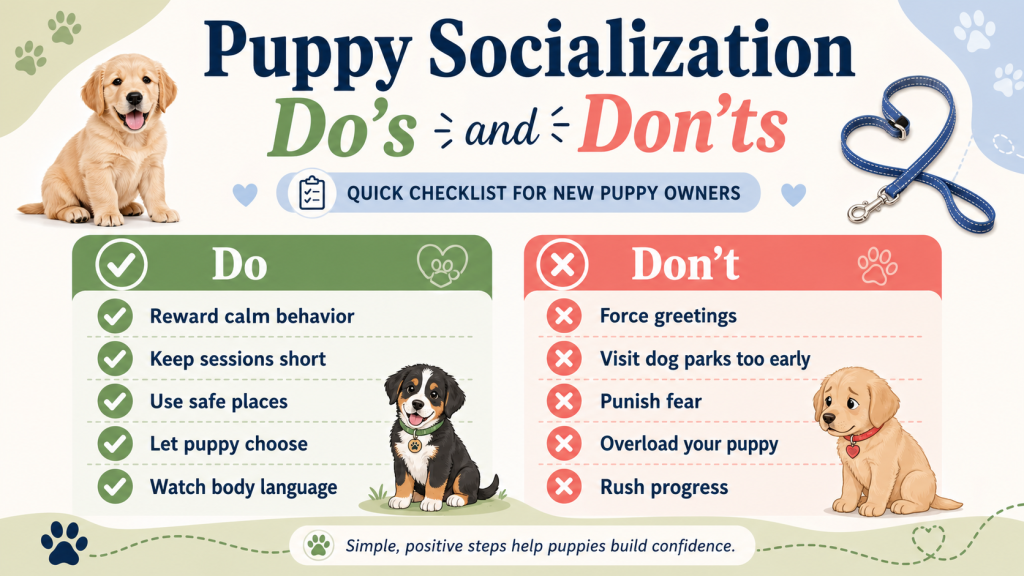
Don’t force greetings. Let the puppy approach the person. If they hang back, that’s okay.
A great line to tell people is: “Please ignore him for a minute and let him come to you.”
Honestly, puppies love a low-pressure entrance. Don’t we all?
Introduce Sounds Without Creating Fear
Sounds can be sneaky stress triggers. Thunder, traffic, blenders, hair dryers, doorbells, and fireworks can feel huge to a puppy.
Start low and slow.
Play recordings quietly while your puppy eats or plays. Gradually raise the volume over days, not minutes.
Good sounds to practice:
- Doorbell
- Vacuum
- Sirens
- Kids playing
- Cars
- Rain
- Grooming clippers
If your puppy looks worried, lower the volume. You’re building confidence, not running a tiny haunted house.
Help Your Puppy Meet Other Dogs Safely
Dog social skills matter, but random dog meetings are risky.
Choose calm, vaccinated, friendly dogs you already know. Avoid tense dogs, pushy dogs, or off-leash chaos.
Watch Body Language
Good signs include loose movement, soft eyes, relaxed tails, and short play breaks.
Step in if you see:
- Tucked tail
- Hiding
- Stiff body
- Growling
- Repeated pinning
- One dog constantly chasing the other
Short, happy meetings beat long, messy ones.
Use Puppy Classes Wisely
A good puppy class can be gold. It gives your puppy controlled exposure to people, dogs, surfaces, and basic training.
Look for classes that:
- Require age-appropriate vaccines
- Use positive reinforcement
- Keep groups small
- Clean the training area
- Allow breaks
- Avoid punishment-based methods
The AKC also recommends puppy classes as a way to expose puppies to other dogs and people under trainer supervision.
Socialize Your Puppy in Everyday Places
Once your vet gives the green light, widen your puppy’s world.
Start with calm places before busy ones.
Try:
- A quiet parking lot
- A friend’s porch
- A pet-friendly store during slow hours
- A school pickup area from a distance
- A park bench away from crowds
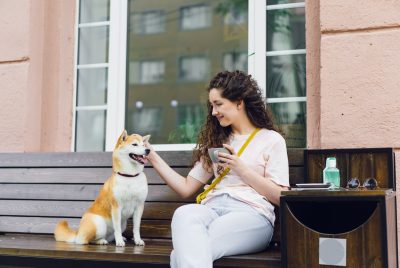
- A calm outdoor café
Bring treats and keep the visit short. Five good minutes can do more than 45 overwhelming minutes.
Practice Handling, Grooming, and Touch
Your puppy should learn that touch is safe. This helps with vet visits, grooming, nail trims, brushing, and regular care.
Practice touching:
- Paws
- Ears
- Tail
- Collar area
- Belly
- Mouth area
- Legs
Touch gently, give a treat, then stop. Tiny sessions work best.
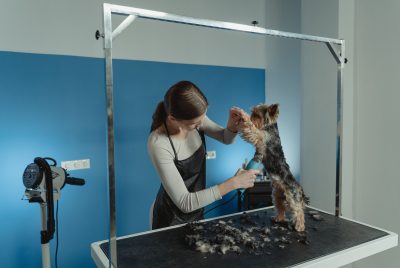
If you groom your dog at home, tools matter too. For coat maintenance between appointments, you can explore safe pet grooming tools for easier at-home care so grooming becomes part of a calm routine, not a wrestling match with fur.
Build Confidence With Positive Reinforcement
Positive reinforcement is your best friend here.
Reward your puppy for consistently performing the behavior you desire. Calm look at a bicycle? Treat. Sitting while a child walks by? Treat. Checking in with you near another dog? Treat jackpot.
Use:
- Tiny soft treats
- Praise
- Play
- Sniff breaks
- Gentle touch
Your puppy is learning, “New things make good things happen.”
That’s the magic.
What Not to Do When Socializing a Puppy
Socialization can go wrong when people rush it.
Avoid:
- Forcing your puppy to “face their fear”
- Taking them to crowded dog parks too early
- Letting strangers overwhelm them
- Punishing growling or fear
- Flooding them with too many new things
- Ignoring stress signals
If your puppy is scared, create distance. Distance is not failure. It’s breathing room.
A Simple Puppy Socialization Checklist
Use this puppy socialization checklist as a gentle guide.
People
- Children
- Seniors
- People with hats
- People with backpacks
- People with different voices
Places
- Vet clinic lobby
- Quiet sidewalk
- Friend’s home
- Car ride
- Pet-friendly store
Sounds
- Doorbell
- Vacuum
- Traffic
- Thunder recording
- Hair dryer
Handling
- Paw touch
- Ear check
- Brushing
- Collar grab
- Gentle restraint
Experiences
- Bath area
- Crate time
- Alone time
- New toys
- Different floor textures
How To Properly Socialize A Puppy Without Overwhelming Them
Here’s a simple rule: one new thing at a time.
A new person in a quiet room? Great. A new person, five dogs, loud music, and slippery floors? That’s a puppy panic smoothie.
Watch your dog’s body language. If they lean in, sniff, wag loosely, and take treats, you’re probably on the right track.
If they freeze, hide, bark, or refuse food, slow down.
Products That Can Help With Puppy Socialization
The right tools don’t replace patience, but they make training smoother.
1. Zuke’s Puppy Naturals Dog Training Treats
Short description: Soft puppy training treats that are easy to use during socialization walks and new experiences.
Features:
- Small training-size bites
- Puppy-friendly texture
- Useful for reward-based training
Best for: Puppies who need frequent rewards during new sights, sounds, and handling practice.
2. PetSafe Clik-R Training Tool
Short description: A compact clicker that marks good behavior clearly during puppy training.
Features:
- Consistent click sound
- Finger band design
- Good for positive reinforcement
Best for: Owners who want cleaner timing when rewarding calm behavior.
3. Mighty Paw Dog Treat Bag
Short description: A hands-free treat pouch for walks, puppy classes, and quick training moments.
Features:
- Drawstring closure
- Carabiner hook
- Space for treats and small items
Best for: Owners who want treats ready without digging through pockets like they’re searching for buried treasure.
4. Hi Kiss Dog/Puppy Obedience Recall Training Agility Lead
Short description: A long training leash for safe outdoor practice, recall games, and controlled exploration.
Features:
- Long-line design
- Useful for distance training
- Good for backyard or open-space practice
Best for: Puppies practicing recall while still staying safely connected to you.
5. KONG Puppy Toy
Short description: A stuffable puppy toy that can help with chewing, crate training, and calm settling.
Features:
- Puppy-friendly rubber
- Can be filled with treats
- Helps redirect chewing
Best for: Puppies learning to relax after socialization sessions or settle in a crate.
Research-Backed Puppy Socialization Advice
A 2015 review, puppy socialization practices and adult dog behavior, found that appropriate early socialization is linked with fewer undesirable adult behaviors, including fearfulness and aggression. It also notes that socialization should be controlled, pleasant, and continue beyond early puppyhood.
A 2022 canine socialisation evidence review found that poorly socialized puppies have a higher risk of adult behavior problems, while also pointing out that more modern research is needed on exact methods and breed differences.
The takeaway? Socialization is not about throwing your puppy into the deep end. It is about safe, positive, repeated exposure.
Common Mistakes Puppy Owners Make
One common mistake is waiting too long because everything feels scary.
Another is doing too much too fast.
You want the middle path: safe exposure, small steps, positive rewards, and breaks.
Also, don’t compare your puppy to someone else’s. Some puppies are social butterflies. Others are thoughtful little introverts in a fur coat. Both can grow into wonderful dogs.
When to Ask for Professional Help
Get help from a veterinarian, certified trainer, or veterinary behavior professional if your puppy:
- Panics around normal sounds
- Growls or snaps often
- Hides from most people
- Refuses food in new places
- Shows intense fear around dogs
- Cannot recover after being startled
Early help is kind. It prevents small worries from growing into big habits.
FAQs About How To Properly Socialize A Puppy
How long does it take to properly socialize a puppy?
Puppy socialization starts early, but it continues for life. The first few months are especially important, yet your dog should keep having positive new experiences as they grow.
Can I socialize my dog before all vaccines are completed?
Yes, but do it safely. Ask your vet first. Choose clean, controlled places, avoid dog parks, and meet only healthy, vaccinated dogs until your puppy is fully protected.
What is the safest way to introduce my puppy to other dogs?
Start with one calm, vaccinated dog in a controlled space. Keep the meeting short, watch body language, and separate them before play gets too rough or stressful.
What should I do if my puppy is scared of people?
Do not force contact. Create distance, reward calm looking, and let your puppy approach when ready. If fear is strong or getting worse, ask a professional for help.
Is puppy socialization the same as puppy training?
Not exactly. Puppy training teaches skills like sit, stay, and recall. Puppy socialization teaches your puppy how to feel safe and behave calmly around real-life experiences.
Conclusion: Raise Confidence One Tiny Win at a Time
Learning How To Properly Socialize A Puppy is really about helping your dog feel safe in the world.
Start small. Keep it positive. Watch your puppy’s body language. Reward calm behavior. Choose safe people, safe dogs, and safe places.
You don’t need perfect sessions. You need kind, consistent ones.
Every gentle introduction is a little deposit in your puppy’s confidence bank. Keep showing up, keep cheering them on, and you’ll help raise a dog who can face the world with a wagging tail and a steady heart.