Top 10 GPS Dog Trackers
We may earn a commission for purchases made using our links. Please see our disclosure for more details.
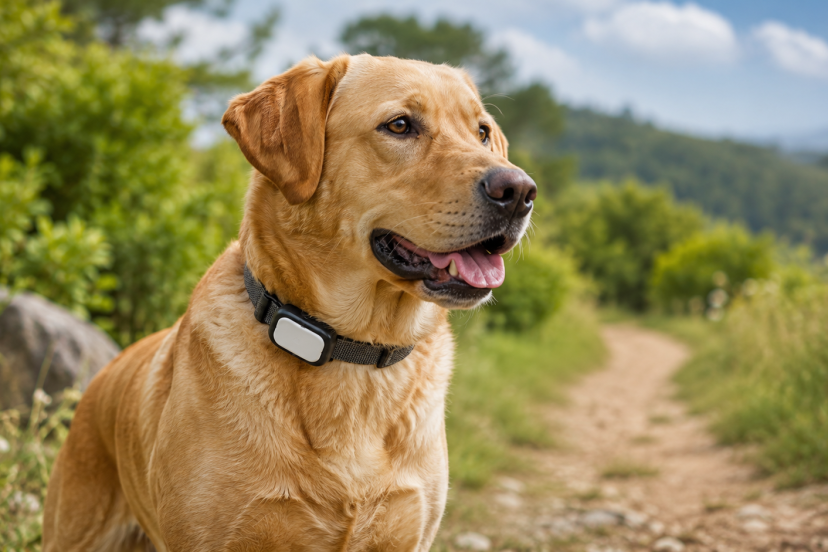
GPS Dog Trackers help you locate wandering pets and can add escape, activity, or health alerts. They suit everyday owners, hikers, hunters, and families with escape-prone dogs. The right model depends on coverage, range, battery life, collar fit, subscriptions, and whether you need health or training tools. I compared verified Amazon.com options using manufacturer specifications, compatibility, portability, recurring costs, and intended use. GPS supports recovery; it does not replace fencing, identification, supervision, or recall training.
| Product | Best for | Key feature | Main limitation | Price category | Overall recommendation |
| Tractive DOG 6 | Overall | Live GPS, fences | Subscription | Mid-range | Best balance |
| Fi Series 3+ | Battery life | Smart collar | Membership | Premium | Strong daily choice |
| Petcube GPS | Beginners | Clip-on design | Subscription | Budget | Easy starter |
| PAJ PET Finder | Existing collars | 4G tracking | Subscription | Budget | Practical choice |
| Aorkuler 2 | Off-grid | GPS plus radio | Fixed range | Premium | No-cell pick |
| FitBark GPS | Small dogs | 16-gram body | Zip ties | Mid-range | Compact pick |
| Garmin T 20 | Field use | Long-range tracking | Handheld needed | Premium | Outdoor specialist |
| Dogtra MINI | Hunting | GPS plus training | More complex | Premium | Field specialist |
| Minitailz | Health | Wellness insights | Subscription | Mid-range | Health-focused |
| Halo Collar 4 | Virtual fencing | GPS boundaries | Membership | Premium | Boundary specialist |
1. Tractive Smart Dog GPS Tracker DOG 6 — Best for Overall Use
Overview: Tractive DOG 6 combines live location tracking, virtual fences, activity data, and wellness monitoring in a compact collar-mounted tracker designed for everyday pet owners.
Key Features: Live GPS tracking; unlimited range with supported cellular coverage; virtual fences; IP68 protection; activity, sleep, bark, and wellness monitoring.
Pros: Broad tracking features; lightweight design; useful location history.
Cons: Subscription required; remote tracking depends on cellular coverage.
Best For: Owners wanting a versatile everyday GPS tracker with location and wellness features.
Verdict: Its balanced combination of tracking, escape alerts, and health-related insights makes Tractive DOG 6 a strong overall choice.

2. Fi Series 3+ Smart Dog Tracker Collar — Best for Long Battery Life
Overview: Fi Series 3+ integrates GPS tracking directly into a smart collar while focusing on long battery life, escape alerts, location monitoring, and activity insights.
Key Features: GPS and LTE-M connectivity; customizable safe zones; Lost Dog Mode; activity and behavior monitoring; manufacturer-rated battery life of up to three months under low-use conditions.
Pros: Integrated collar design; strong battery potential; useful activity tracking.
Cons: Membership required for remote tracking; frequent GPS use reduces battery life.
Best For: Owners who want a smart collar that requires less frequent charging.
Verdict: Fi Series 3+ stands out for combining convenient GPS tracking with impressive manufacturer-rated battery longevity.

3. Petcube GPS Tracker for Dogs — Best for Beginners
Overview: Petcube provides straightforward GPS tracking in a compact collar attachment with escape alerts, virtual boundaries, and basic activity information.
Key Features: Real-time GPS location; virtual fences; activity tracking; built-in light and buzzer; IP67 water and dust protection.
Pros: Simple setup; compact clip-on design; helpful locating features.
Cons: Subscription required; lacks advanced outdoor training functions.
Best For: First-time GPS tracker buyers who want uncomplicated everyday location monitoring.
Verdict: Its approachable features and simple collar-mounted design make Petcube an easy entry point into GPS dog tracking.

4. PAJ GPS PET Finder 4G — Best for Collar Flexibility
Overview: PAJ GPS PET Finder 4G attaches to an existing dog collar, allowing owners to add GPS tracking without replacing their preferred collar or harness setup.
Key Features: 4G cellular tracking; live location updates; geofence alerts; runaway notifications; IP67 protection; activity monitoring.
Pros: Compatible with many collars; compact design; multiple escape alerts.
Cons: Subscription required; heavier than some ultra-light trackers.
Best For: Owners who want to add GPS functionality to an existing collar.
Verdict: Its flexible mounting system and practical location alerts make PAJ a useful choice for everyday escape monitoring.

5. Aorkuler Outdoor GPS Dog Tracker Tracker 2 — Best for Off-Grid Tracking
Overview: Aorkuler Tracker 2 combines satellite positioning with direct radio communication, allowing owners to track dogs without relying on cellular networks or smartphone service.
Key Features: No cellular subscription; manufacturer-stated range up to 3.5 miles in open terrain; IP67 protection; sound and light locating aids; dedicated handheld controller.
Pros: Works without cell coverage; no monthly cellular fee; dedicated controls.
Cons: Tracking range is limited; requires carrying a separate controller.
Best For: Campers, hikers, and rural dog owners who regularly travel beyond cellular coverage.
Verdict: Its direct radio connection makes Aorkuler particularly useful where conventional cellular GPS trackers may lose connectivity.

6. FitBark GPS Dog Tracker 2nd Gen — Best for Small Dogs
Overview: FitBark GPS 2nd Gen is a lightweight GPS and activity tracker designed to provide location monitoring without placing excessive hardware on smaller dogs.
Key Features: 16-gram tracker; GPS and LTE Cat M1 connectivity; Wi-Fi and Bluetooth support; IP67 protection; activity monitoring.
Pros: Very lightweight; compact collar footprint; multiple connectivity technologies.
Cons: Subscription required; zip-tie attachment is less convenient for frequent removal.
Best For: Small dogs and owners who prioritize minimal collar weight.
Verdict: Its low weight and compact profile make FitBark one of the more practical GPS tracking options for smaller dogs.

7. Garmin Alpha T 20 GPS Dog Tracking Collar — Best for Serious Field Tracking
Overview: Garmin Alpha T 20 is a dedicated GPS tracking collar designed for hunters, working-dog handlers, and outdoor users who already use compatible Garmin Alpha handheld equipment.
Key Features: Manufacturer-stated tracking range up to nine miles with compatible equipment; dynamic tracking; multicolor LEDs; replaceable flex band; extended battery modes.
Pros: Long tracking range; rugged field-focused construction; operates without cellular service.
Cons: Compatible handheld required; higher system cost than everyday pet trackers.
Best For: Hunters and working-dog handlers needing dependable long-range field tracking.
Verdict: Garmin Alpha T 20 offers specialized tracking capability that is better suited to demanding outdoor environments than typical app-based pet trackers.

8. Dogtra PATHFINDER2 MINI GPS Tracking & Training System — Best for Hunting Dogs
Overview: Dogtra PATHFINDER2 MINI combines GPS dog tracking with remote training controls in a compact system designed for hunting and working dogs.
Key Features: Manufacturer-stated four-mile range; two-second location updates; offline maps; expandable multi-dog support; geofence and remote training controls.
Pros: No monthly cellular subscription; combines tracking and training; compact receiver.
Cons: Smartphone required; more complicated than basic pet GPS trackers.
Best For: Hunters and handlers who need location tracking and training functions in one system.
Verdict: Its combination of GPS tracking and remote training makes the PATHFINDER2 MINI especially useful for active field dogs.

9. Invoxia Minitailz Health & GPS Tracker for Dogs — Best for Health Monitoring
Overview: Invoxia Minitailz combines GPS location tracking with activity and wellness monitoring for owners interested in both their dog’s whereabouts and longer-term health trends.
Key Features: GPS and Wi-Fi positioning; LTE-M connectivity; activity analysis; heart and respiratory monitoring; IP67 construction.
Pros: Extensive wellness insights; compact collar attachment; useful escape alerts.
Cons: Service costs apply; health data does not replace veterinary evaluation.
Best For: Owners who want location tracking combined with detailed wellness monitoring.
Verdict: Minitailz earns its place by offering more health-focused information than most conventional GPS dog trackers.

10. Halo Collar 4 GPS Wireless Dog Fence & Training Collar — Best for Virtual Fencing
Overview: Halo Collar 4 combines real-time GPS tracking with customizable virtual boundaries and training feedback, giving owners a location tracker and wireless containment system in one collar.
Key Features: Dual-frequency L1/L5 GPS; customizable virtual fences; real-time tracking; sound, vibration, and optional static feedback; IP67 water resistance.
Pros: Combines tracking and containment; adjustable boundary settings; integrated training features.
Cons: Membership required; premium cost; requires careful training and setup.
Best For: Owners who want GPS tracking combined with virtual fencing and boundary management.
Verdict: Halo Collar 4 is the strongest specialized option for buyers who want GPS location tracking and wireless containment in one system.

How to Choose the Best GPS Dog Trackers
Start with how your dog actually gets lost. Cellular trackers suit neighborhoods and travel where supported networks are available, while radio-linked Garmin, Dogtra, and Aorkuler systems make more sense in remote terrain. Check tracker weight, collar width, neck-size requirements, waterproof rating, and phone compatibility before buying.
Next, compare update frequency, battery expectations, safe-zone alerts, and recurring fees. Frequent live tracking usually consumes more power than standby use. Subscription-free systems cost more upfront because they rely on dedicated hardware. If you need health data, decide whether activity trends are enough or whether advanced wellness features justify added cost.
Pair tracking with a dog-proof backyard because GPS helps you recover an escapee but does not prevent the escape itself. Also keep identification current and practice reliable recall.
Frequently Asked Questions About GPS Dog Trackers
Do GPS dog trackers work without cell service?
Some do. Cellular models need supported network coverage for remote updates, while radio-based systems can communicate directly with a handheld within their rated range.
Do all GPS dog trackers require subscriptions?
No. Many consumer cellular trackers require service plans, while several handheld field systems avoid monthly cellular fees.
Are GPS trackers safe for small dogs?
They can be, provided the device is light enough and fits securely without restricting movement. Always follow the maker’s weight and collar guidance.
How often should I charge a dog GPS tracker?
It varies widely by device and usage. Live modes generally shorten battery life, so charge before trips and monitor the app or device indicator.
Can a GPS tracker replace a microchip?
No. A tracker helps locate a dog while powered and connected; a registered microchip provides permanent identification if the dog reaches a shelter or clinic.
Final Verdict
For most owners, Tractive DOG 6 is the best overall blend of live tracking, virtual fences, and wellness features. PAJ PET Finder 4G is the best budget option, while Halo Collar 4 is the best premium choice for integrated virtual fencing. Petcube is best for beginners who want straightforward GPS tracking, and Aorkuler Tracker 2 is the best specialized choice for off-grid use. Compare specifications, confirm collar compatibility, review current warranty terms, and check current Amazon.com product information before purchasing.