Dog Harness with Handle: Best Options for Strong Dogs
We may earn a commission for purchases made using our links. Please see our disclosure for more details.
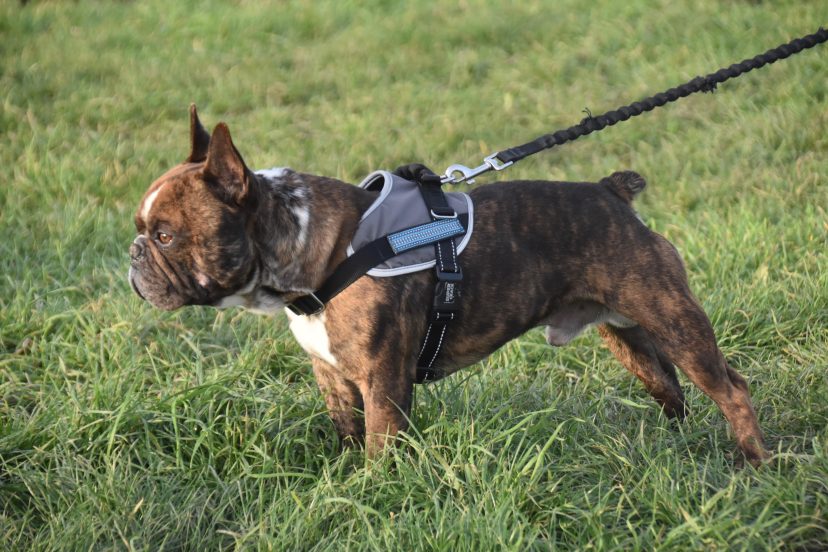
You know that moment when your dog spots a squirrel, a bike, or another dog and suddenly turns into a furry forklift? That is exactly why a dog harness with handle can feel like such a lifesaver.
A good harness does more than look sturdy. It gives you better control, puts less strain on your dog’s neck, and makes everyday walks feel less like an arm workout and more like actual quality time. In this guide, you’ll learn what features matter, how to choose the right style, and which Amazon picks are worth a closer look.
Affiliate note: This article includes product suggestions, and I may earn a small commission if you buy through qualifying links, at no extra cost to you.
Why a dog harness with handle matters
A handle changes the whole experience.
Instead of grabbing awkwardly at straps or trying to out-muscle a lunging dog, you get a quick control point right on your dog’s back. That matters when you need to guide your dog past distractions, help them into a car, or steady them on stairs.
It is a bit like having a seatbelt and a grab bar at the same time. You hope you will not need the extra control every second, but when you do, you really do.
Who should use one
A dog harness with handle is especially useful for:
- strong pullers
- large breeds
- adolescent dogs still learning manners
- reactive dogs who need close guidance
- senior dogs who need a little lift or support
- dogs who hike, travel, or hop in and out of vehicles often
It can also help smaller dogs, especially if they pull or have delicate necks. The AKC notes that harnesses can be a more comfortable option for dogs that tug on leash and can help avoid throat strain, especially in smaller dogs.
Features worth paying for
Not every harness that looks “heavy duty” actually performs like one.
A real control handle
You want a handle that feels stable and easy to grab, not one that folds into your hand like a floppy grocery bag.
Front and back leash clips
A front clip helps with training and pulling control. A back clip works well for relaxed walks, jogging, or hiking. Research reviews suggest non-tightening front-clip harnesses can be a smart option for dogs that pull.
Multiple adjustment points
Dogs are wonderfully inconvenient shapes. Deep chest, narrow waist, broad shoulders, tiny neck, giant ego. More adjustment points help you dial in a safer fit.
Padding and breathable fabric
Good padding protects pressure points. Breathable mesh or soft lining matters more than people think, especially in warm weather.
Reflective details
This is one of those boring features that becomes very exciting the first time a car turns the corner at dusk.
Front-clip or back-clip dog harness with handle?
This choice depends on your dog’s habits.
A front-clip harness gives you more leverage when your dog pulls. It gently redirects forward momentum, which can make walks more manageable. A back-clip harness is usually simpler and more comfortable for calm dogs who already walk nicely. A 2025 review of restraint devices found that for dogs that pull, non-tightening front-clip harnesses seem to offer the best balance between comfort and reducing pulling; for dogs who do not pull, back-clip chest-strap or Y-shaped harnesses can work well.
My rule of thumb is simple: if your dog drags you, start with a front clip. If your dog strolls like a polite little mayor, a back clip may be enough.
How a dog harness with handle should fit
Fit is everything.
A bad fit can turn a good harness into a rubbing, twisting, escape-enabling mess. AKC guidance says a harness should allow one finger of space for small dogs and two fingers for large-breed dogs. VCA also emphasizes that safety, fit, and function are the key factors when choosing walking gear.
Quick fit checklist
- snug, not tight
- no rubbing into the armpits
- no twisting to one side
- no strap pressing into the throat
- enough room for normal shoulder movement
- handle sits in a spot you can grab quickly
If your dog can back out of it like a tiny magician, it is too loose.
Mistakes that make a good harness feel bad
People often blame the harness when the real issue is the setup.
Common mistakes include:
- choosing size by breed label instead of measurements
- buying a back-clip style for a major puller
- ignoring shoulder movement
- leaving straps uneven
- assuming “tactical” always means better
- forgetting to test the handle with actual tension
A harness should help you communicate, not wrestle.
Which style matches your dog best
Different dogs need different builds.
Y-shaped or movement-friendly harnesses
These are often best for dogs who walk a lot and need freedom through the shoulders.
Vest-style harnesses
These can feel secure and supportive, especially for everyday neighborhood walks.
Tactical-style harnesses
These tend to suit strong dogs, training work, hiking, or owners who want a sturdier handle and heavier materials. They can be excellent, but only if the fit is right.
5 product picks worth a look
I focused on current Amazon listings with strong review signals, practical design, and clear everyday use cases. Availability and color options can change fast, so always double-check sizing before you buy.
PHOEPET No Pull Dog Harness with Handle
This is a solid everyday pick if you want something simple, reflective, and easy to use. The listing highlights durable nylon oxford, soft padding, breathable mesh, and a handle, which makes it a good all-around option for daily walks and basic training.
Best for: pet parents who want a practical no-pull dog harness without going full tactical.
BARKBAY No Pull Dog Harness Front Clip Heavy Duty Reflective Easy Control Handle
BARKBAY is a strong pick for owners who want both a front halt ring and a grab handle. Amazon’s listing highlights the no-pull design and easy-control handle, and current Amazon review signals are especially strong.
Best for: strong walkers, training sessions, and anyone who wants more control without too much bulk.
rabbitgoo Tactical Dog Harness for Large Dogs, No Pull Military Service Vest with Handle
rabbitgoo’s tactical model is built for dogs who need more structure. The listing points to front no-pull control, reflective details, and both horizontal and vertical handles, which is genuinely useful for bigger, more powerful dogs.
Best for: large dogs, hiking days, and dogs who need a more secure heavy-duty dog harness feel.
AUROTH Tactical Pet Harness for Large Dogs No Pull Adjustable Reflective K9 Working Training Easy Control Vest
AUROTH has become a popular option because it balances toughness with comfort. The listing calls out robust rings, padded pressure points, breathable mesh, and reflective materials, while Amazon search results currently mark AUROTH listings as highly trusted shopping options.
Best for: working-breed dogs, confident pullers, and owners who want an adjustable dog harness with a rugged build.
OneTigris Fire Watcher Tactical Dog Harness
If you want a more modular, outdoorsy setup, OneTigris is worth a look. The brand’s product page highlights adjustable straps, soft padding, optional heavy-duty metal buckles, water resistance, and MOLLE panels for add-ons. Review signals on Amazon-family listings are also solid.
Best for: trail dogs, travel, and handlers who want a tactical-style dog vest harness with upgrade-friendly features.
Best dog harness with handle for strong pullers
If your dog pulls like they pay the mortgage, prioritize these three things:
- front clip
- secure chest fit
- firm, easy-to-reach handle
For pure everyday control, BARKBAY and PHOEPET make the most sense. For larger, stronger, more intense dogs, rabbitgoo Tactical or AUROTH often look like better fits because they offer more structure and sturdier hardware.
Best options for hiking, travel, and daily walks
Think about your real life, not your fantasy life.
If you mostly do neighborhood walks, you probably do not need a giant tactical setup with attachment panels worthy of a canine action movie. A padded, reflective dog walking harness with a handle is usually enough.
If you hike, road-trip, or help your dog in and out of vehicles, a sturdier handle and more secure build become much more useful. That is where tactical-style options like AUROTH, rabbitgoo, or OneTigris earn their keep.
How to choose by breed, size, and body shape
Breed matters less than shape.
A barrel-chested bully mix, a lanky Doberman, and a fluffy Husky can all wear the same labeled size on paper and fit completely differently in real life.
For deep-chested dogs
Look for more chest adjustment and a design that stays clear of the armpits.
For broad, strong breeds
Choose sturdier hardware, thicker straps, and a handle you can actually grip under tension.
For smaller dogs
Keep it lightweight. Too much bulk can be annoying and hot.
What the research says about harnesses and pressure
Here is the part that matters most: not all restraint tools affect dogs the same way.
A 2025 review of dog walking restraint devices examined 21 full-text articles and concluded there is no perfect one-size-fits-all device. However, for dogs that pull, non-tightening front-clip harnesses appeared to offer the best balance between reducing pulling and limiting discomfort.
Meanwhile, a Nottingham Trent University collar-pressure study reported that all collar types tested on a model neck generated enough pressure to risk injury when dogs pulled, which is a big reason many owners prefer a harness for stronger or more excitable dogs.
That does not mean every harness is automatically great. It means fit, style, and your dog’s walking behavior matter a lot.
Care, cleaning, and when to replace it
A dirty harness wears out faster and gets less comfortable.
Wash according to the brand instructions, check stitching every few weeks, and inspect the leash clips like your sanity depends on it. Because, honestly, sometimes it does.
Replace your harness if you notice:
- fraying straps
- loose stitching
- bent rings
- broken buckles
- rubbing spots on your dog
- a handle that feels less secure than it used to
Cold-weather comfort and safety
Harness comfort matters even more in winter.
Wet straps, stiff fabric, and trapped moisture can make walks less pleasant, especially for dogs with shorter coats or sensitive skin. If you are also thinking about paw care, outdoor time, and seasonal comfort, this guide on winter care for dogs is a helpful next read.
FAQs
What is the best dog harness with handle for a dog that pulls?
A front-clip harness with a firm top handle is usually the smartest starting point. It gives you redirection at the chest and quick backup control from above. Research reviews support non-tightening front-clip harnesses for dogs that pull.
Is a dog harness with handle more effective than a collar?
For many strong or excitable dogs, yes. A harness can reduce pressure on the neck and throat, while giving you better control through the chest and torso. That said, fit and style matter a lot.
Can a dog harness handle be useful for senior dogs?
Yes, especially for gentle guidance on stairs, curbs, or car entry. Just remember that a standard walking harness is not the same as a rehab lift harness, so dogs with mobility problems may need more specialized support.
How snug should a dog harness with handle fit?
Snug enough that it does not shift or slip off, but loose enough that your dog can move naturally. AKC guidance suggests one finger for small dogs and two fingers for larger dogs.
Are tactical dog harnesses good for everyday walks?
They can be, especially for strong dogs or outdoor-heavy households. Still, they are not always necessary. If your dog is calm and you mostly do short local walks, a lighter reflective harness may be the better choice.
At the end of the day, the best dog harness with handle is the one that fits your dog’s body, matches your walking style, and gives you calm, confident control without making your dog uncomfortable. Start with fit, choose the clip style that suits your dog’s behavior, and do not get distracted by flashy extras you will never use. The right harness will not magically teach perfect leash manners overnight, but it can make the whole journey feel a whole lot easier—and a lot more enjoyable for both of you.