
Purina Chicken and Rice: Nutrition Guide for Owners

We may earn a commission for purchases made using our links. Please see our disclosure for more details.
You want your dog to feel great, love their meals, and stay healthy without the guesswork. “Purina chicken and rice” keeps popping up in your searches—and for good reason. It’s one of Purina’s most popular grain-inclusive formulas across life stages. In this warm, no-nonsense guide, we’ll unpack what’s inside, who it suits best, how much to feed, and smart ways to compare Purina ONE vs Pro Plan. You’ll also find vet-backed references, plus five popular Amazon options with a quick comparison table so you can pick with confidence.
What “Purina Chicken and Rice” Actually Means
When people say “Purina chicken and rice,” they usually mean Purina’s grain-inclusive recipes where chicken (often as the first ingredient) is paired with rice (brewer’s rice or whole grain rice). You’ll see this across Purina Pro Plan and Purina ONE, in adult, puppy, senior, and weight-management formulas.
Quick translation
- Chicken = concentrated protein source; may appear as chicken or chicken by-product meal.
- Rice = a gentle, easily digested carbohydrate that supplies energy.
- Add-ins = vitamins, minerals, fatty acids, and often probiotics for gut health.
Who It’s Best For (and Who Might Need Something Else)
These recipes fit many healthy dogs who do well on grain-inclusive diets. If your dog has confirmed chicken allergy, needs a vet-therapeutic diet, or has a unique medical condition, you’ll want guidance from your veterinarian first.
Ingredients You’ll Commonly See (and Why They’re There)
Real chicken vs. chicken by-product meal
“Real chicken” sounds great—and it is. By-product meal can also be nutritious because it’s a concentrated source of protein and essential nutrients. Quality and formulation balance matter more than the label buzzwords.
Rice types you’ll notice
- Brewer’s rice: small broken pieces of rice—easy to digest.
- Whole grain rice: includes more fiber; still gentle for many dogs.
Helpful extras
- Probiotics & prebiotic fiber: support digestion.
- Omega-6 & vitamin A: support skin and coat.
- Chelated minerals: aid absorption.
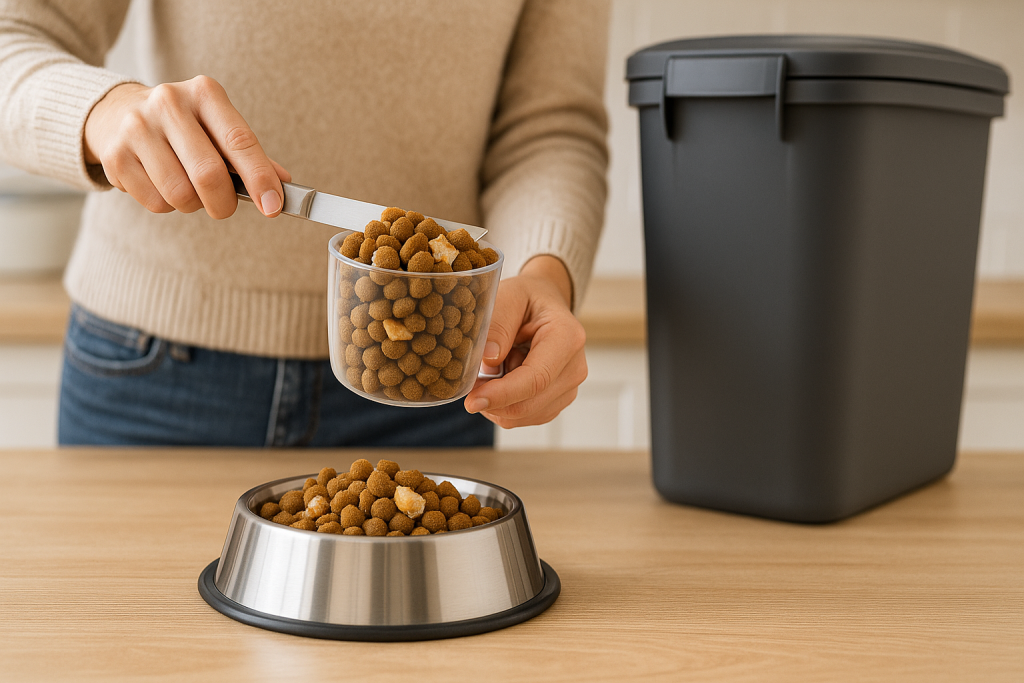
Guaranteed Analysis: Protein, Fat, Fiber at a Glance
For adult maintenance, many Purina chicken & rice formulas sit around the typical 26% protein / 16% fat range (varies by product). The key is choosing a diet that’s complete and balanced for your dog’s life stage.
Adult maintenance targets
AAFCO’s adult dog minimum is 18% protein (DM); most mainstream adult formulas exceed this.
Puppy growth targets
Puppy diets should meet 22.5% protein (DM) minimum. Look for “growth” or “all life stages” on the label to be sure it meets puppy needs.
Calories & Portion Sizes: How Much to Feed
Start with the bag’s feeding chart, then adjust. Body size, activity, age, and metabolism shift the “right” amount.
BCS (Body Condition Score) cheat-sheet
Ask yourself:
- Ribs: Can you feel them without digging?
- Waist: Visible from above?
- Tuck: Gentle tuck from side view?
Small, steady tweaks (10% at a time) work better than big swings.
Grain-Inclusive vs Grain-Free: Where This Fits
Chicken & rice formulas are grain-inclusive. That matters because the FDA has investigated a potential association between some grain-free diets (often legume-heavy) and canine DCM; research is ongoing and complicated. Grain-inclusive diets like chicken & rice were not the primary focus of those reports. When in doubt, ask your veterinarian.
Transitioning Without Tummy Trouble
Switch gradually over 7–10 days:
- Days 1–3: 25% new, 75% old
- Days 4–6: 50/50
- Days 7–10: 75% new, 25% old
- Day 11+: 100% new
If stool softens, slow down and add another 3–4 days per step.

Purina ONE vs Purina Pro Plan: Chicken & Rice Compared
Both lines offer chicken & rice options, but they’re positioned differently.
Kibble texture & eating experience
Pro Plan Shredded Blend mixes kibble with tender shreds for texture-loving pups. ONE tends to be straightforward kibble with targeted add-ins.
Price & availability
Purina ONE is often more budget-friendly and widely available in big-box stores. Pro Plan leans “premium,” with more targeted SKUs, including puppy, senior, and weight-management variants.
Specialty Needs: Puppies, Seniors, and Weight Management
- Puppies: Choose Puppy Chicken & Rice (by expected adult size) to hit growth targets and DHA for brain/vision.
- Seniors: Look for Adult 7+ Chicken & Rice with added support for cognition/joints.
- Weight Management: Pick Chicken & Rice Weight Management with fewer calories per cup and higher protein to help maintain lean mass.
Sensitive Stomach or Allergies? What to Watch For
Chicken is a common protein; if your dog has suspected chicken sensitivity, you’ll need another protein source. True grain allergies are rare, but sensitivities can happen. Keep a food diary and loop in your vet if itching, ear issues, or GI upsets persist.
Real-World Results: What Pet Parents Typically Notice
Common feedback with chicken & rice formulas:
- Dogs eat it eagerly (especially the shredded blends).
- Stools normalize after a steady transition.
- Coats look glossier with omega-6 and vitamin A support.
Results vary—use that BCS check weekly.
Storage & Safety: Keep Kibble Fresh
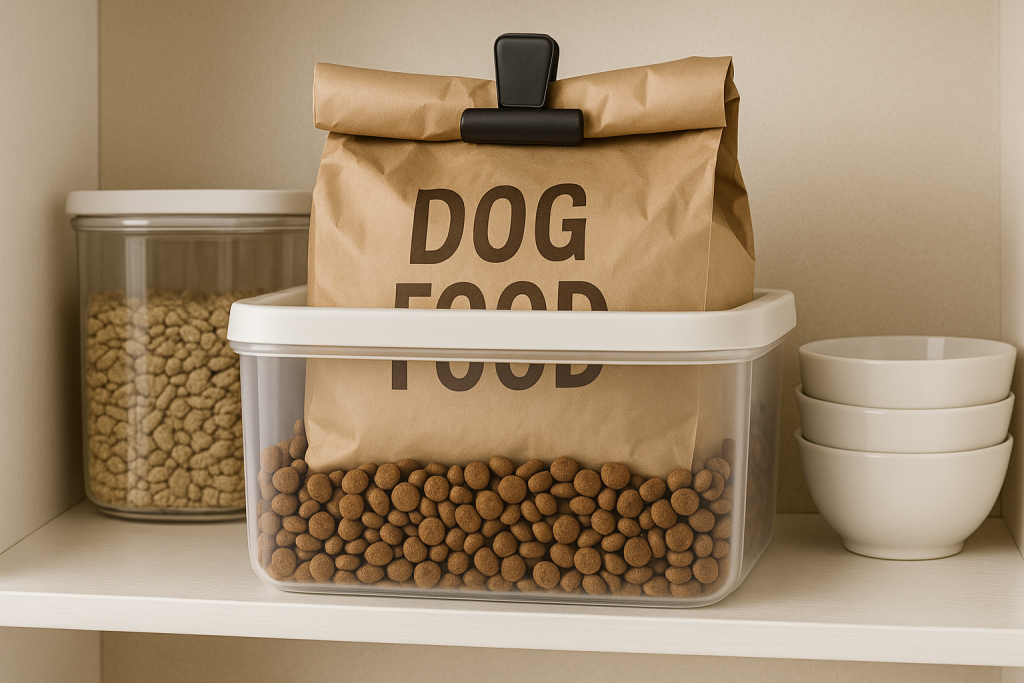
Air, heat, and humidity are the enemies of freshness. Keep the food in its original bag (for the barcode and lot info) inside an airtight bin. For a quick how-to, see this airtight dog food storage guide for tips on sealing, labeling, and rotating bags so every bowl tastes like the first.
How to Read the Label Like a Pro
- Life stage: adult maintenance, growth (puppy), or all life stages.
- AAFCO statement: confirms complete and balanced.
- Calories per cup: essential for portion control.
- Feeding chart: your starting line, not the finish line.
- Customer service number: handy for questions about sourcing or lot codes.
When to Call Your Vet
- Sudden weight loss or gain
- Persistent vomiting/diarrhea or itchy skin/ears
- Medical conditions that need therapeutic nutrition
- You’re switching life stages (puppy → adult; adult → senior) and aren’t sure which way to go
🧪 Research-Backed Guidance on Balanced Diets
Two helpful, credible references guide smart dog-food choices. WSAVA’s Global Nutrition Guidelines (2021) outline how to choose a complete and balanced diet, emphasizing life-stage needs and calorie awareness; MSD Veterinary Manual’s overview of small-animal nutrition summarizes AAFCO protein minimums—18% (DM) for adult dogs and 22.5% (DM) for growth—so you can sanity-check labels and serving sizes. Read more here: WSAVA Global Nutrition Guidelines and MSD Veterinary Manual: Nutritional Requirements of Small Animals.
🔹 Amazon Picks: Popular Purina Chicken & Rice Options
1) Purina Pro Plan Complete Essentials Shredded Blend Chicken & Rice
- Features: Real chicken first; mixed kibble + tender shreds; probiotics; omega-6.
- Pros: Palatability; digestive support; widely available.
- Cons: Premium price vs economy lines; contains grain (not for grain-free seekers).
- Best for: Adult dogs who want taste/texture and a higher-protein, grain-inclusive profile.
- Review snapshot: Owners often report better appetite and consistent stools.
2) Purina ONE SmartBlend Chicken & Rice
- Features: Complete and balanced; straightforward kibble; widely stocked.
- Pros: Value-forward; easy to find; dependable pick for many adults.
- Cons: Fewer “specialized” tweaks vs Pro Plan; kibble-only texture.
- Best for: Budget-minded pet parents who still want a reputable, grain-inclusive formula.
- Review snapshot: Frequent praise for affordability and dogs eating it well.
3) Purina Pro Plan Puppy Shredded Blend Chicken & Rice
- Features: Puppy-specific nutrients; often with DHA; texture blend; antioxidants.
- Pros: Meets growth standards; enticing mouthfeel; supports brain/vision.
- Cons: Pricier than basic puppy kibble; watch portions—puppies love it.
- Best for: Puppies that thrive on chicken with a gentle carb source.
- Review snapshot: Many report shiny coats and steady growth.
4) Purina Pro Plan Adult 7+ Shredded Blend Chicken & Rice
- Features: Senior-minded nutrient profile; probiotics; omega-6; tender shreds.
- Pros: Palatable for older dogs; supports digestion and vitality.
- Cons: Not a medical diet; some seniors may need vet-therapeutic formulas.
- Best for: Seniors who enjoy texture and need balanced daily nutrition.
- Review snapshot: Owners note good energy and healthy weight when portions are managed.
5) Purina Pro Plan Weight Management Shredded Blend Chicken & Rice
- Features: Lower calories per cup; higher protein; fiber for satiety.
- Pros: Helps manage weight with portion control; dogs still enjoy eating.
- Cons: Weight loss still requires measured cups and daily movement.
- Best for: Adults who need to trim or maintain.
- Review snapshot: Reported steady weight control when paired with walks and measured feeding.
Side-by-Side Comparison
| Model (Line) | Key Spec(s) | Warranty | Approx Price/Tier | Best For |
| Pro Plan Shredded Blend Chicken & Rice (Adult) | High protein; probiotics; mixed textures | Manufacturer guarantee | Mid-Premium | Adult dogs that love texture and higher protein |
| Purina ONE Chicken & Rice (Adult) | Complete & balanced; straightforward kibble | Manufacturer guarantee | Value | Everyday feeding on a budget |
| Pro Plan Puppy Shredded Blend Chicken & Rice | Growth formula; DHA; antioxidants | Manufacturer guarantee | Mid-Premium | Puppies (choose size-specific SKU) |
| Pro Plan Adult 7+ Shredded Blend Chicken & Rice | Senior support; probiotics; omega-6 | Manufacturer guarantee | Mid-Premium | Seniors wanting taste and digestibility |
| Pro Plan Weight Management Shredded Blend Chicken & Rice | Lower kcal/cup; higher protein; fiber | Manufacturer guarantee | Mid-Premium | Adults needing weight control |
Note: Always check the bag’s calories per cup and feeding chart—those two numbers drive results more than any single marketing claim.
FAQs
Is Purina chicken and rice good for dogs?
For many healthy dogs, yes. It’s grain-inclusive, typically complete and balanced, and provides digestible energy with chicken as the main protein. Confirm life stage, watch portions, and monitor your dog’s body condition.
Purina ONE vs Purina Pro Plan—how do I choose?
Start with your goals. Pro Plan offers more specialized SKUs and texture blends; ONE is a strong value with solid fundamentals. If your dog is sensitive or picky, Pro Plan’s Shredded Blend texture can help. Budget and availability matter too.
How much should I feed per day?
Use the bag’s chart and adjust by body condition. If ribs vanish, reduce slightly. If ribs are too prominent, add a little. Re-check weekly.
Is chicken & rice okay for puppies or seniors?
Yes—if the formula is designed for that life stage. Look for “puppy” or “adult 7+” on the bag so it meets AAFCO growth or senior needs (some senior foods are adult-maintenance; read labels).
Are grain-inclusive diets safer than grain-free?
Not “safer” across the board, but the FDA’s DCM investigation primarily involved grain-free diets with high legume content. If you’re unsure, ask your vet which approach best fits your dog’s health history.
Conclusion
“Purina chicken and rice” is popular because it’s simple, balanced, and flexible across life stages. Choose a formula that matches your dog’s needs, measure meals, and store kibble well so every bowl stays fresh. Small, consistent choices—like reading the label and checking body condition—pay off fast.
You’ve got this. And your dog? Tail-wagging approved.