5 Must-Have Dog Shedding Tools That Actually Work
We may earn a commission for purchases made using our links. Please see our disclosure for more details.
Dog hair has a talent for appearing where it was never invited—on dark trousers, inside the car, and somehow in a freshly poured cup of coffee. The right Dog Shedding Tools will not stop a normal coat cycle, but they can capture loose hair before it lands around your home. The key is matching the tool to your dog’s coat rather than buying the most aggressive-looking brush. This guide explains how shedding tools work, which five products suit different dogs and households, how to groom without irritating the skin, and when heavy shedding deserves veterinary attention. By the end, you should be able to choose a practical tool that fits your dog’s coat, comfort level, and grooming routine.
Why Dogs Shed More Than You Expect
Shedding is normal hair replacement. Genetics, daylight, indoor living, season, and health influence its timing and volume. Double-coated dogs may release dense undercoat in waves, while short-coated breeds can shed smaller hairs all year.
Curly coats may leave less hair on the floor because loose strands stay trapped and form tangles. What you see around the home does not always reflect how much grooming a coat needs.
What Dog Shedding Tools Actually Do
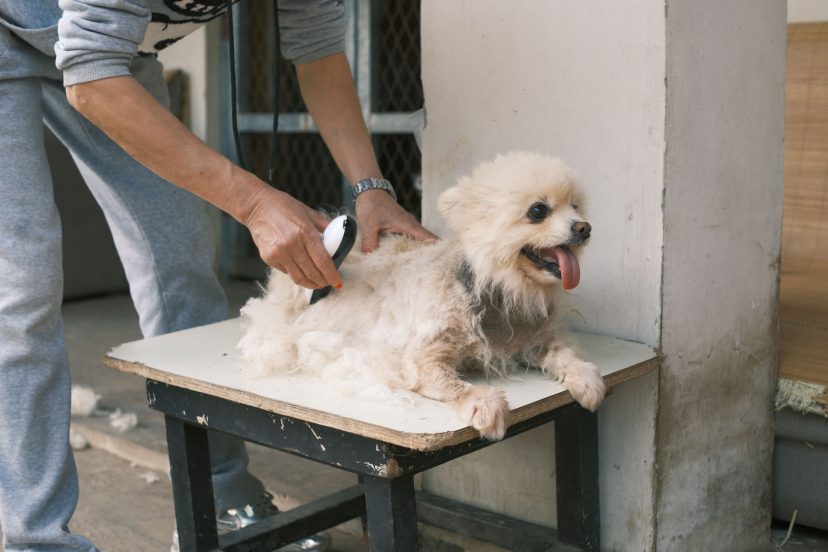
Good Dog Shedding Tools remove hair that has already loosened; they cannot stop the shedding cycle. Rubber curry brushes lift surface hair, undercoat tools reach beneath the topcoat, rakes separate dense coat, and slickers catch loose strands in curls or minor tangles.
Short, regular sessions usually work better than marathon brushing. No tool should scrape skin or be forced through a resistant mat.
Match Dog Shedding Tools to Coat Type
Part the coat with your fingers. A soft, woolly layer beneath longer guard hairs suggests an undercoat that may benefit from a rake or correctly sized undercoat tool. Smooth coats usually respond better to flexible rubber teeth or a shallow shedding blade. Detangle long coats before deshedding; follow a slicker with a metal comb on curly coats.
Temperament matters too. A nervous dog may accept a flexible tool before metal pins. Pet owners seeking a gentler option can compare grooming gloves for dogs for dogs that dislike conventional brushes.
Five Recommended Dog Shedding Tools That Actually Work
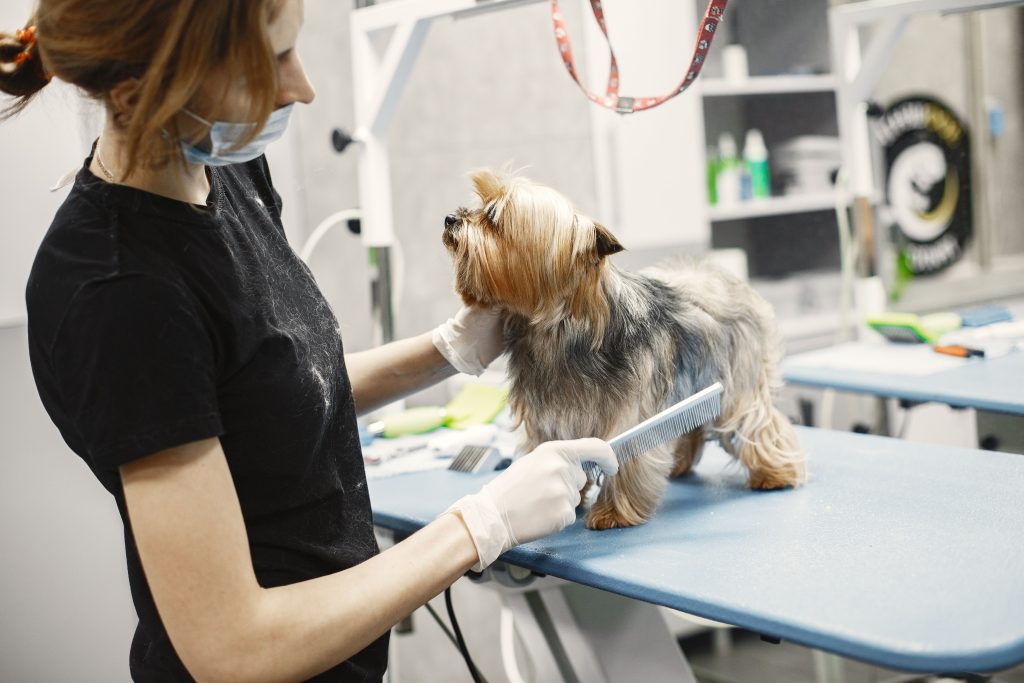
These five Dog Shedding Tools cover different coats, budgets, and comfort needs. Always choose the size and coat-length version intended for your dog.
SleekEZ Dog Brush for Shedding, 5 Inch
Best for: A versatile, simple tool for multi-dog homes
Its patented metal blade uses a tooth-and-wave pattern to collect loose fur from short, medium, and long coats. The broad wooden handle is easy to grip, and hair falls away instead of packing between pins. It is not designed for tight mats, so detangle first.
FURminator Large Dog Undercoat deShedding Tool for Long Hair
Best for: Large, long-haired dogs with a true undercoat
This model is sized for long-haired dogs over 50 pounds. Its stainless-steel edge reaches through the topcoat to lift loose undercoat, and a release button clears fur. Size and hair-length matching matter; this version is unsuitable for small, short-coated, or single-coated dogs.
KONG ZoomGroom Dog Brush for Grooming and Shampooing
Best for: Short-coated dogs and bath-time grooming
Flexible rubber fingers loosen surface hair and work shampoo through the coat, which can suit dogs that dislike rigid brushes. It rinses easily and doubles as a massage-style bath brush. However, it cannot reach packed undercoat as deeply as a rake.
Maxpower Planet Pet Grooming Brush Double-Sided Undercoat Rake
Best for: Thick, long coats with loose undercoat and minor tangles
The double-sided head has nine teeth for denser tangles and seventeen for thinning and deshedding. Its extra-wide design covers substantial coats efficiently. Because the teeth are more assertive than rubber bristles, use light pressure and never pull through close mats.
Chris Christensen Big G Dog Slicker Brush, Coral, Medium
Best for: Curly, fluffy, or professionally maintained coats
Long, angled pins reach into dense coats to catch loose undercoat and fine knots, while the cushioned head holds removed hair. It suits poodles, doodle-type coats, and fluffy coats. The premium brush costs more, and careful pressure is essential near thin-skinned areas.
| Product | Tool style | Best coat or use | Main consideration |
| SleekEZ 5 Inch | Shedding blade | Versatile everyday removal | Not a mat remover |
| FURminator Large Long Hair | Undercoat tool | Large, long-haired double coats | Choose exact size and coat length |
| KONG ZoomGroom | Rubber curry brush | Short coats and bathing | Limited reach in dense undercoat |
| Maxpower Planet Rake | Double-sided rake | Thick, long coats | Requires controlled pressure |
| Chris Christensen Big G | Slicker brush | Curly and fluffy coats | Premium price and technique-sensitive |
Start With Comfort, Not Maximum Hair Removal
A large pile of fur is not the best measure of success. Watch your dog instead. Relaxed muscles and willingness to stay suggest the pressure is manageable. Skin twitching, turning toward the tool, lip licking, moving away, or sudden restlessness mean you should pause.
Introduce new Dog Shedding Tools with brief strokes, rewards, and breaks. A calm five-minute session beats a struggle that makes future grooming harder. It also gives you time to notice hidden tangles, burrs, or tender areas before continuing.
Research-Backed Guidance on Brushing and Shedding
Direct controlled trials comparing consumer brushes are limited, so veterinary guidance focuses more on coat type, regular grooming, skin condition, and gentle technique than on declaring one tool universally superior.
VCA Animal Hospitals’ grooming guidance matches slickers with curly coats, flexible gloves or short bristles with smooth coats, and long-toothed combs with long hair. AAHA’s 2026 shedding overview explains that shedding is natural and recommends choosing a brush for the coat while watching for sudden or patchy hair loss.
The Merck Veterinary Manual’s dermatology guidance notes that shedding accompanied by alopecia can be abnormal. Meanwhile, a 2025 peer-reviewed canine haircoat study reported differences in hair growth, quality, and shedding among trace-mineral feeding treatments.
That study did not compare grooming tools, but it reinforces an important point: equipment manages loose hair; it cannot correct every nutritional or medical cause.
How to Use Dog Shedding Tools Without Irritating Skin
Begin on a dry, detangled coat unless the tool is designed for bathing. Brush with hair growth using light strokes, keep the tool moving, and check the skin every few passes. Steady loose skin around the chest, belly, and legs.
Never force teeth through mats, brush over sores, or scrape one area because hair keeps appearing. Clear the tool often so resistance remains easy to judge.
A Simple Routine for Short, Smooth Coats
For beagles, boxers, pugs, and similar smooth coats, try a rubber curry brush or gentle shedding blade two or three times weekly, adjusting to the dog. Work from shoulders toward the tail, then lightly cover the chest and sides.
Groom over an easy-clean floor. Among these Dog Shedding Tools, the KONG ZoomGroom is a forgiving starting point for baths and routine surface-hair removal.
A Better Approach for Double Coats
Double coats require access to the soft layer beneath the guard hairs. Separate tangles first, then work in small sections with a rake or correctly matched deshedding edge. Lift the coat rather than pressing into skin. Seasonal coat release may call for shorter, more frequent sessions.
Do not shave a double coat merely to control shedding unless a veterinarian recommends it; brushing removes released undercoat while preserving the topcoat.
Managing Long, Curly, and Tangle-Prone Coats
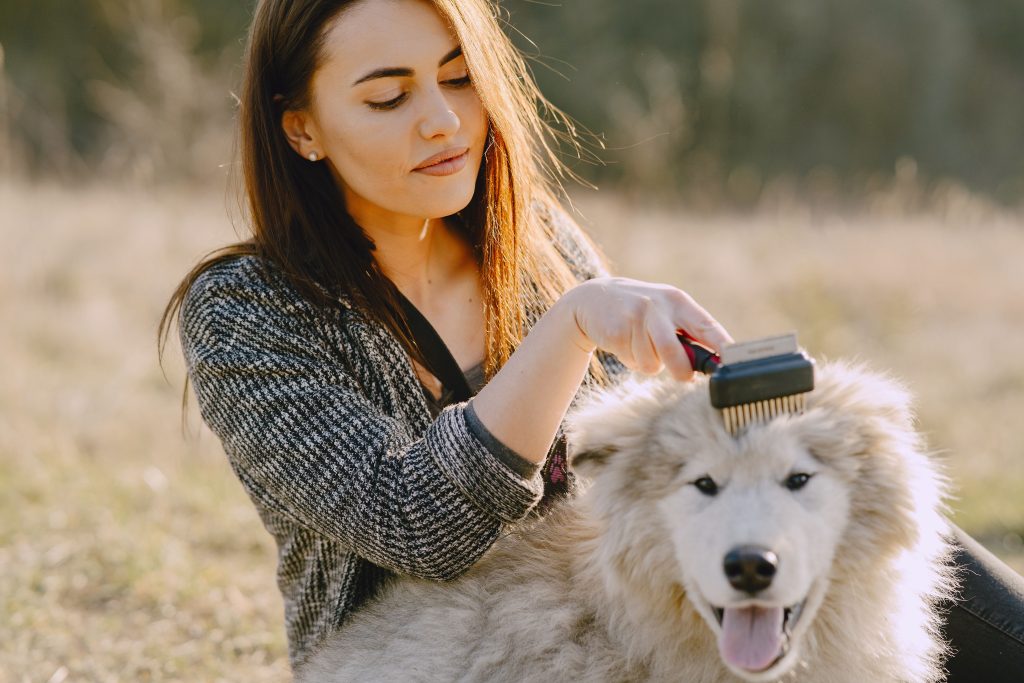
Long and curly coats turn trapped hair into knots. Work through small sections with a slicker, then use a metal comb from skin to ends. The Chris Christensen Big G suits curly coats, while the Maxpower Planet rake better fits substantial long coats with undercoat.
These Dog Shedding Tools cannot replace professional mat removal when knots sit close to skin; pulling harder only hurts and tightens them.
Bathing, Drying, and the Loose-Hair Problem
Bathing can release hair that brushing misses, especially in dense coats. Remove tangles first, use dog-appropriate shampoo, rinse thoroughly, and dry completely. A rubber tool can distribute shampoo, but frequent washing may dry or irritate skin.
Introduce a high-velocity dryer gradually and keep direct airflow away from the eyes and ears.
When Shedding May Signal a Health Problem
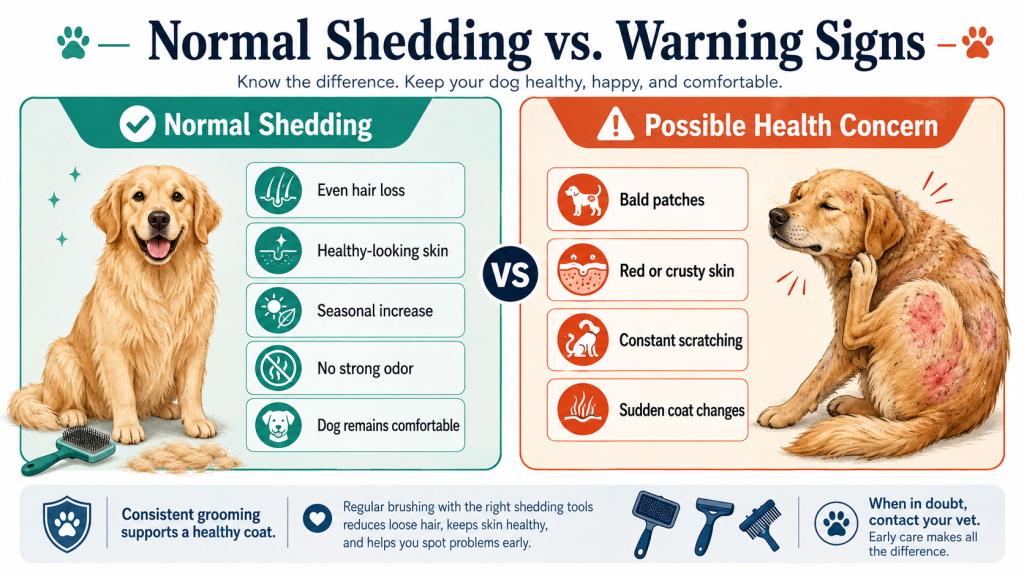
Normal shedding leaves an even coat and healthy-looking skin. Seek veterinary advice for sudden changes, bald patches, redness, crusting, odor, intense itching, broken hair, or repeated licking.
Parasites, infections, allergies, hormonal disorders, nutrition problems, and other illnesses can cause hair loss. Stronger Dog Shedding Tools may only delay needed care. Photograph changes and note diet, medications, stress, and grooming products.
Cleaning and Maintaining Your Grooming Tools
Remove fur after each session, wash rubber tools with mild soap, and follow cleaning directions for metal heads and cushioned slickers. Dry everything before storage.
Inspect teeth, pins, edges, and handles for bends, chips, rust, or looseness, and store tools away from children and pets. Clean equipment moves more predictably through the coat and makes changing resistance easier to notice.
Frequently Asked Questions
What are the best dog shedders for dogs that shed a lot?
For a heavy-shedding double coat, start with a rake or undercoat tool sized for the dog’s weight, hair length, and coat structure. The FURminator model listed here suits large, long-haired dogs, while the Maxpower Planet rake suits thick, longer coats. Smooth-coated heavy shedders may respond better to a rubber curry brush or shedding blade. Coat type matters more than the amount of hair on the sofa.
How frequently should I use a deshedding tool?
Frequency depends on the coat, season, tool, and your dog’s skin tolerance. Gentle rubber brushing may suit several sessions per week, while an undercoat edge may be intended for less frequent use. Follow the product directions, begin conservatively, and stop if you see redness, sensitivity, or avoidance. Regular short sessions generally manage loose hair better than occasional aggressive brushing.
Can a shedding tool cut or damage my dog’s coat?
Some tools can break hair, scratch skin, or thin healthy coat when they are mismatched, used with heavy pressure, or repeatedly dragged over one area. Detangle first, use the correct model, and keep strokes light. A tool advertised for undercoat removal is not automatically appropriate for every breed. Ask a groomer or veterinary professional when you are uncertain about coat structure.
Should I brush my dog after or before a bath?
Remove mats and obvious tangles before bathing because water can tighten them. A bath may then loosen additional dead coat, which you can remove during drying or once the coat is fully dry, depending on the tool’s instructions. Rubber bath brushes are designed for wet use, while many metal deshedding tools work best on clean, dry, detangled hair.
Will Dog Shedding Tools stop shedding completely?
No. Dog Shedding Tools collect loose hair and can reduce how much reaches your floors, clothes, and furniture, but normal shedding continues as hairs complete their growth cycle. A consistent routine, suitable bathing, balanced nutrition, and veterinary care when the pattern changes will do more than chasing a tool that promises zero shedding.
Final Recommendation: Choosing Dog Shedding Tools That Fit Your Dog
The best Dog Shedding Tools match the coat and stay comfortable enough for regular use. Choose the KONG ZoomGroom for short coats, baths, or brush-sensitive dogs. Use the FURminator Large Long Hair only on an appropriately sized, long-haired double coat, and consider the Maxpower Planet rake for thick coats needing detangling and undercoat work.
Curly coats may justify the Chris Christensen Big G, while the SleekEZ offers broad versatility. Use light pressure, keep sessions brief, and treat baldness or irritated skin as a health question—not a grooming challenge. Start with the gentlest effective option your dog will comfortably accept.