What Is The Best Way To Introduce Your Dog To A New Puppy?
We may earn a commission for purchases made using our links. Please see our disclosure for more details.
Bringing home a puppy sounds dreamy until your resident dog gives you that look. You know the one: “Excuse me, why is this tiny tornado in my house?”
The Best Way To Introduce Your Dog To A New Puppy is not to toss them together and hope for movie-magic friendship. It is slow, calm, supervised, and full of positive moments. Think of it like introducing a new roommate, not a new toy.
Why Introductions Matter More Than You Think
Your current dog may be friendly on walks but still feel weird about sharing home space. That is normal. Home has beds, bowls, toys, smells, favorite sunny spots, and probably one sacred couch corner.
Puppies are also still learning dog manners. The AKC notes that puppies are developing communication skills and may not understand adult-dog rules yet.
So, your job is not to force instant friendship. Your job is to become the calm stage manager.
Start Before the Puppy Comes Home
Before pickup day, prepare your house like you are hosting a tiny guest with zero impulse control.
Set up:
- Separate food and water areas
- A crate or puppy pen
- Baby gates or pet gates
- Neutral toys
- A quiet retreat for your older dog
- Easy outdoor potty access
Let your resident dog explore any new gates, pens, or room changes before the puppy arrives. That way, your dog does not think, “Great, the puppy came with renovations.”
Plan the First Meeting on Neutral Ground
The first meeting should happen outside the home, ideally somewhere neutral and calm. The AKC recommends meeting in a neutral place instead of inside the established dog’s home, because a puppy barging through the front door can feel invasive.
Choose a quiet park, driveway, sidewalk, or open yard that your resident dog does not strongly guard.
Keep it short and calm
Use two handlers if possible. Keep both dogs leashed, but avoid tight leash tension. A tight leash can make dogs feel trapped.
Let them notice each other from a distance first. Reward calm glances, soft bodies, and relaxed sniffing.
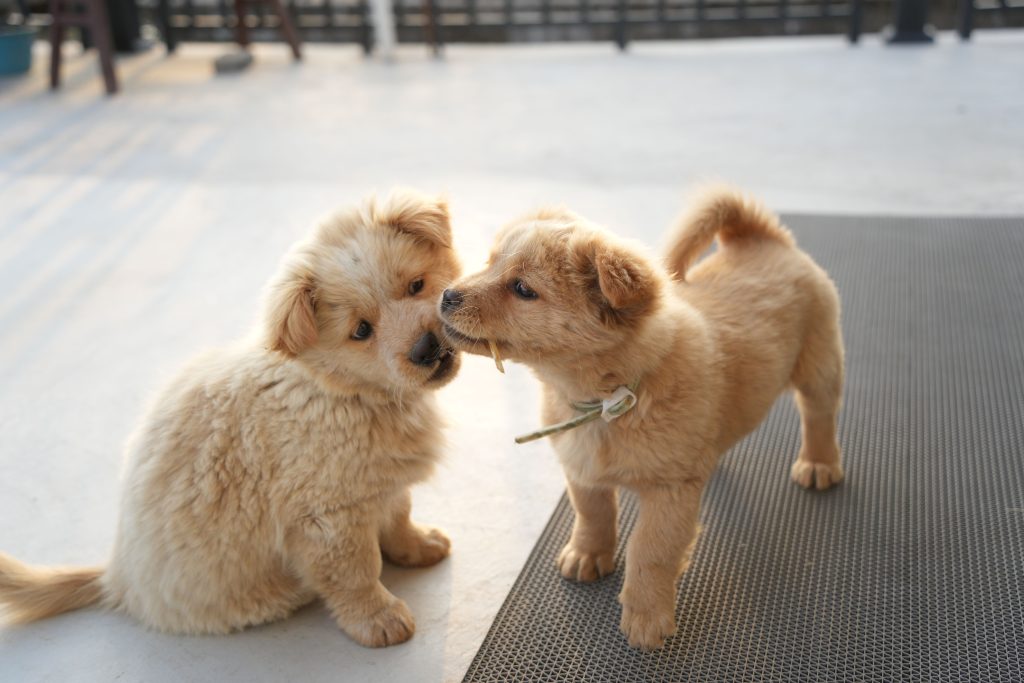
Use Parallel Walks Before Face-to-Face Greetings
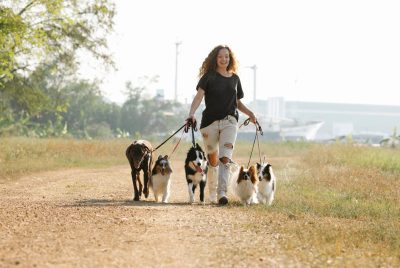
A parallel walk is one of the easiest ways to reduce pressure. Instead of pointing two dogs nose-to-nose like an awkward job interview, walk them in the same direction with space between them.
The RSPCA recommends supervised on-leash contact on neutral ground, starting at a distance and rewarding calm, friendly behavior before letting dogs walk side by side.
What to watch for
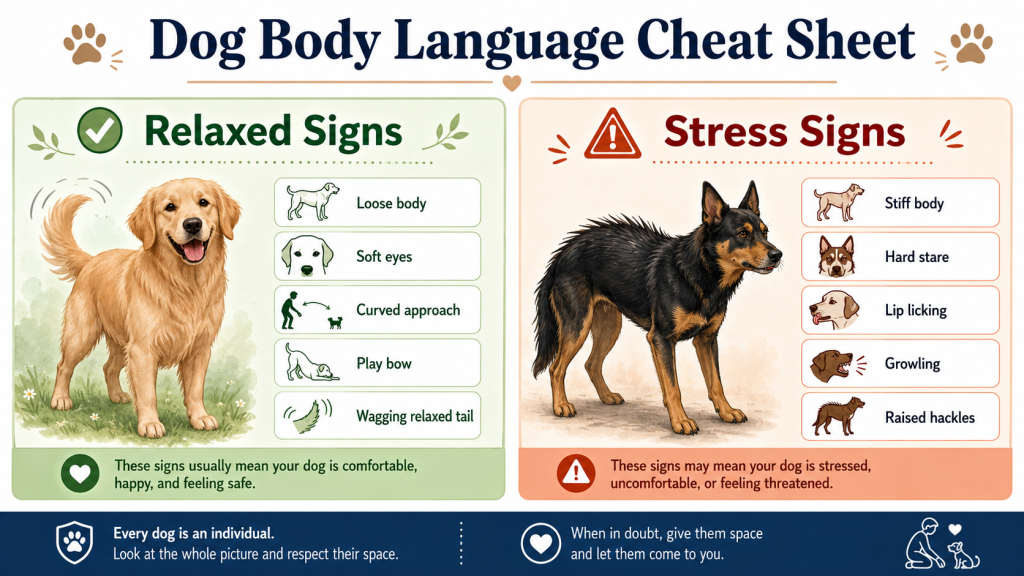
Good signs include:
- Loose, wiggly bodies
- Curved approaches
- Sniffing and looking away
- Play bows
- Short, relaxed check-ins
Red flags include stiff posture, hard staring, freezing, raised hackles, lunging, or repeated attempts to hide.
Understand Dog Body Language
Dogs “talk” constantly, just not with words. A head turn, yawn, lip lick, or sudden sniffing of the ground can mean, “I need a little space.”
Do not punish your older dog for a mild growl. The AKC explains that growling can be a normal communication signal that tells a puppy to back up, as long as the adult dog does not make unsafe contact.
A growl is not failure. It is information.
Bring Them Home Without Drama
After a calm outdoor meeting, walk both dogs toward home together. Keep the energy boring. Boring is beautiful here.
Once inside, do not release everyone into the living room like it is a canine reality show finale. Instead, guide each dog to a separate safe area.
VCA recommends planning ahead, creating safe zones, using neutral first meetings, and letting the puppy settle once inside.
Create Safe Zones for Both Dogs
A safe zone is not a punishment corner. It is a peaceful “please do not bother me” space.
Your older dog needs a puppy-free area. Your puppy needs a cozy space for naps, chew toys, and decompression.
Good safe zone options
- Crate
- Exercise pen
- Gated kitchen area
- Bedroom corner
- Quiet laundry room
Give your older dog breaks several times a day. Puppies are adorable, yes, but they can also be fluffy chaos in socks.
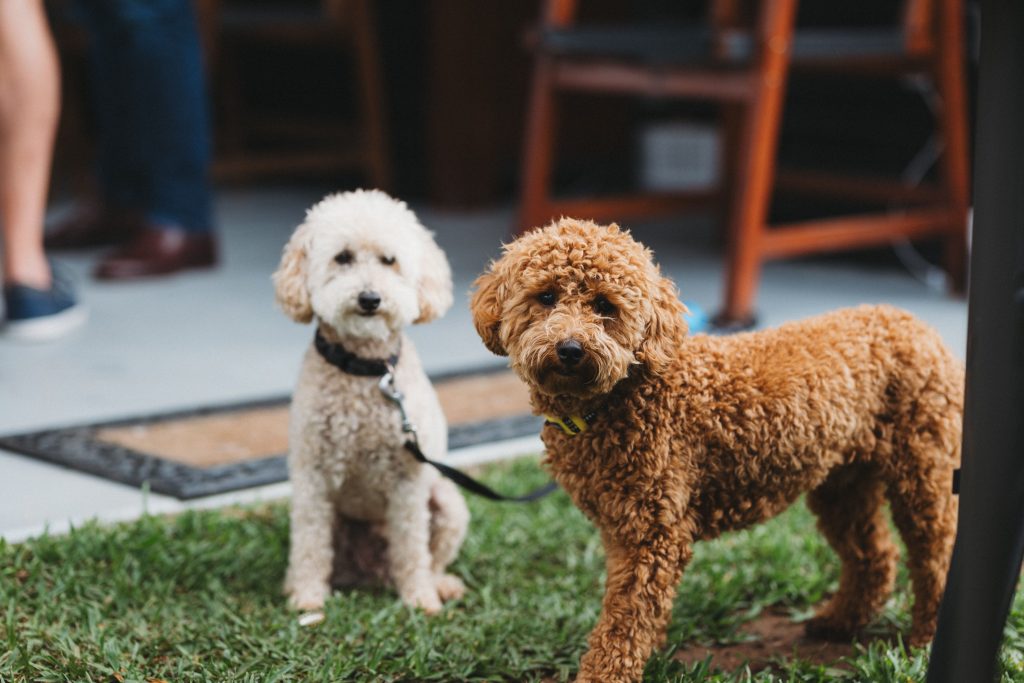
Prevent Resource Guarding Early
Food, toys, beds, and attention can create tension. Do not test your dogs by feeding them side by side “to see what happens.” That is how many squabbles begin.
VCA recommends separate feeding areas and giving the puppy their own toys, especially if the resident dog does not like sharing.
Simple household rule
If it matters to one dog, manage it.
That includes bones, chews, puzzle toys, dropped snacks, and your lap.
Keep Your Resident Dog Feeling Loved
This part matters emotionally. Your older dog did not ask for a puppy. Even if they eventually become best buddies, the first week may feel like their quiet life got replaced by a squeaky little intern.
Keep your old routines:
- Morning walk
- Favorite game
- Cuddle time
- Training session
- Solo outing
Your dog should learn, “The puppy arrived, and my good life stayed good.”
Use Positive Reinforcement Dog Training
Reward the behavior you want to see. When your dog looks at the puppy calmly, reward. When the puppy walks away instead of jumping on your older dog’s face, reward. When both dogs relax near each other, reward like you just witnessed a tiny miracle.
The AVSAB humane dog training position statement, summarized by Purdue’s Canine Welfare Science resource, supports reward-based methods and says aversive methods are not necessary for dog training or behavior modification.
Manage Puppy Play Sessions
Puppies often play like popcorn with legs. Your adult dog may enjoy it for five minutes, then suddenly decide the party is over.
Keep play short. Interrupt often. Let both dogs reset.
Try the “pause test”
Gently separate the puppy for a few seconds. If both dogs happily re-engage, play may continue. If one dog walks away, respect that choice.
Healthy play has breaks. Unhealthy play looks one-sided, frantic, or impossible to interrupt.
Support Health, Routine, and Gut Comfort
Stress can affect appetite, stool quality, and daily routine. Keep feeding times predictable and avoid changing everything at once.
If your dog’s digestion gets sensitive during the transition, you may find it helpful to read about gut-support habits and natural probiotics for dogs. A calmer belly can make a calmer household, especially when everyone is adjusting.
Always check with your vet before adding supplements, especially for puppies, senior dogs, or dogs with medical conditions.
Amazon Products That Can Help With Puppy Introductions
These products are not magic wands, but they can make management easier.
COMOMY 36″ Extra Tall Baby Gate for Stairs Doorways
This tall pressure-mounted gate helps you create safe separation between dogs while still allowing them to see and smell each other. Amazon lists it as 36 inches tall and suitable for doorways, hallways, and stairs.
Features: auto-close door, double-lock system, metal frame.
Use case: Best for homes that need controlled visual access between dogs.
MidWest Homes for Pets 24-Inch Exercise Pen
This foldable pen creates a contained puppy area with 16 square feet of play space and a secure door.
Features: foldable panels, indoor/outdoor use, latch door.
Use case: Great for supervised puppy downtime and safe separation.
heouvo Dog Treat Pouch with Training Clicker
This pouch keeps treats handy so you can reward calm behavior immediately. It includes a clicker and has a magnetic closure to reduce spills.
Features: silicone pouch, 1.67-cup capacity, training clicker.
Use case: Ideal for positive reinforcement during introductions.
ThunderEase Dog Calming Pheromone Diffuser Kit
This diffuser uses an ADAPTIL pheromone analog and is designed to help with stress-related behaviors like hiding, barking, and chewing.
Features: plug-in diffuser, up to 30-day release, drug-free support.
Use case: Helpful for dogs who seem unsettled during household changes.
Nature’s Miracle Advanced Stain and Odor Eliminator Dog Spray
Puppies have accidents. This enzymatic cleaner targets dog urine, diarrhea, vomit, and other bio-based messes.
Features: enzymatic formula, odor control, discourages re-soiling.
Use case: Best for puppy potty-training accidents and cleanup.
Research-Backed Guidance for a Calmer Puppy Introduction
Safe puppy introductions work best when you lower stress and reward calm behavior.
A 2020 PLOS ONE study found that dogs trained with aversive methods showed more stress-related behaviors than dogs trained with rewards. That is why treats, praise, and patience matter during introductions. Read more here: reward-based training supports calmer dog behavior.
For first meetings, Humane World for Animals recommends neutral ground, leashed walks, and rewarding relaxed reactions before closer contact. This supports a slow, step-by-step introduction instead of forcing the dogs together too quickly. See the guide here: neutral-ground tips for introducing dogs.
Common Mistakes to Avoid
The biggest mistake is rushing. The second biggest is assuming silence means comfort.
Avoid:
- Letting the puppy jump on your older dog repeatedly
- Feeding dogs close together too soon
- Leaving them alone unsupervised
- Punishing warning growls
- Giving all attention to the puppy
- Expecting friendship in one day
Slow is not overprotective. Slow is smart.
FAQs About Introducing Your Dog To A New Puppy
How long does it take for a dog to accept a new puppy?
Some dogs relax within a few days. Others need several weeks. Senior dogs, anxious dogs, or dogs with a history of reactivity may need longer. Focus on steady progress, not a deadline.
Should I allow my puppy to be corrected by my older dog?
Mild communication, like a growl or moving away, can be normal. However, you should step in before corrections become intense. Your puppy needs guidance from you, not constant discipline from your older dog.
Can my dog and new puppy sleep together?
Not at first. Let them sleep separately until they have a calm, predictable relationship. Puppies also need potty breaks and safe rest, while older dogs need uninterrupted sleep.
What if my dog growls at the new puppy?
Pause and create space. A growl means your dog is uncomfortable. Do not punish it. Instead, reduce pressure, give both dogs a break, and restart later at a calmer distance.
What is the appropriate time to leave my dog and puppy alone together?
Only after weeks of consistently calm, safe interactions. Even then, start with short periods. If there is any guarding, chasing, rough play, or tension, keep using gates, crates, and supervision.
Conclusion
The Best Way To Introduce Your Dog To A New Puppy is to move at the speed of trust. Start on neutral ground, use parallel walks, read body language, protect safe spaces, feed separately, reward calm behavior, and give your resident dog plenty of reassurance. You are not trying to create instant best friends. You are building a peaceful multi-dog household one good moment at a time. Be patient, stay observant, and celebrate the tiny wins—the calm sniff, the shared nap across the room, the first gentle play bow. That is how real dog friendships begin.