Safe Puppy Toys for Teething: How to Choose the Right One
We may earn a commission for purchases made using our links. Please see our disclosure for more details.
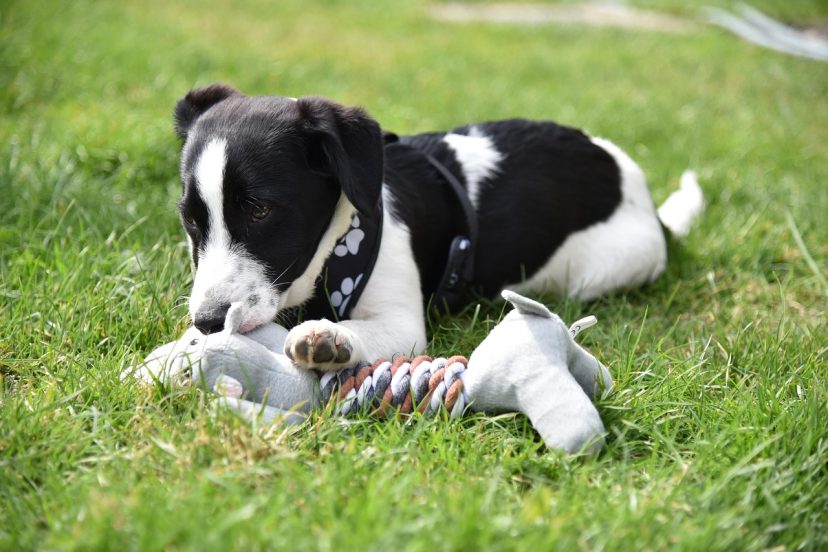
If your puppy is chewing like they’re auditioning for “Tiny Shark: The Musical,” welcome. Teething can be messy, loud, and oddly personal (RIP, my hoodie strings). The good news: the right puppy toys for teething can soothe sore gums and save your shoes—and they can keep your puppy’s brain busy in a healthy way.
You’ll learn what “safe” really means, which textures work best, what to avoid, and how to redirect chewing without turning your home into a 24/7 scolding festival.
Affiliate disclosure: This post includes product mentions based on popular Amazon US listings.
Why Teething Turns Your Puppy Into a Tiny Woodchipper
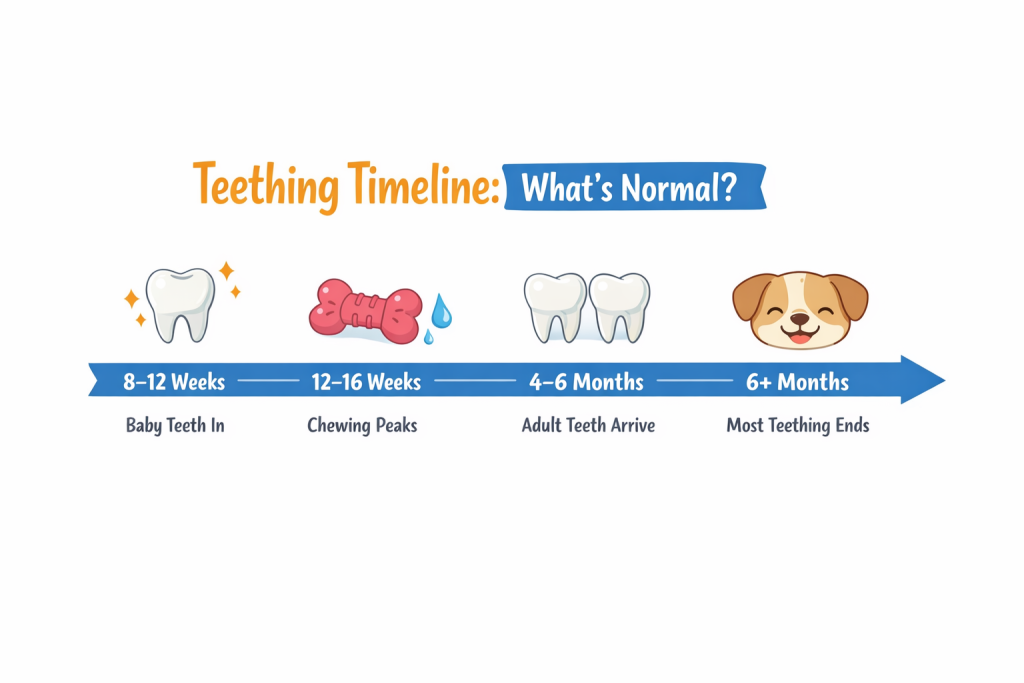
Teething isn’t misbehavior—it’s discomfort plus curiosity. The American Kennel Club (updated 2025) notes puppies have about 28 baby teeth, and by around 6 months most have adult teeth—about 42.
A simple timeline
- 12–16 weeks: baby teeth start falling out; chewing spikes.
- ~6 months: most adult teeth finish coming in.
Here’s what this looks like in real life: your puppy chews, gets a little relief, gets bored, then chews again. It’s like they’re scratching an itch they can’t quite reach. If you keep a “teething toy within arm’s reach” in every room (no joke), you’ll redirect faster and say “no” way less.
What “Safe” Means for Puppy Toys for Teething
A safe toy should be:
- Big enough that it can’t slip fully into the mouth (choking risk).
- Simple (no ribbons, eyes, or easy-to-pull-off pieces).
- Non-toxic and not strongly chemical-smelling.
- Durable without splintering or breaking into chunks.
That’s the baseline for puppy toys for teething—simple, safe, and sized right.
Quick “skip it” list:
- Anything that sheds strings, splinters, or sharp shards
- Toys with glued-on parts your puppy can pry off
- Chews small enough to disappear when your pup turns it sideways
If your puppy can tear off pieces quickly, it’s not a “tough chewer”—it’s a “future vet bill.”
The Goldilocks Rule: Soft Enough, Tough Enough
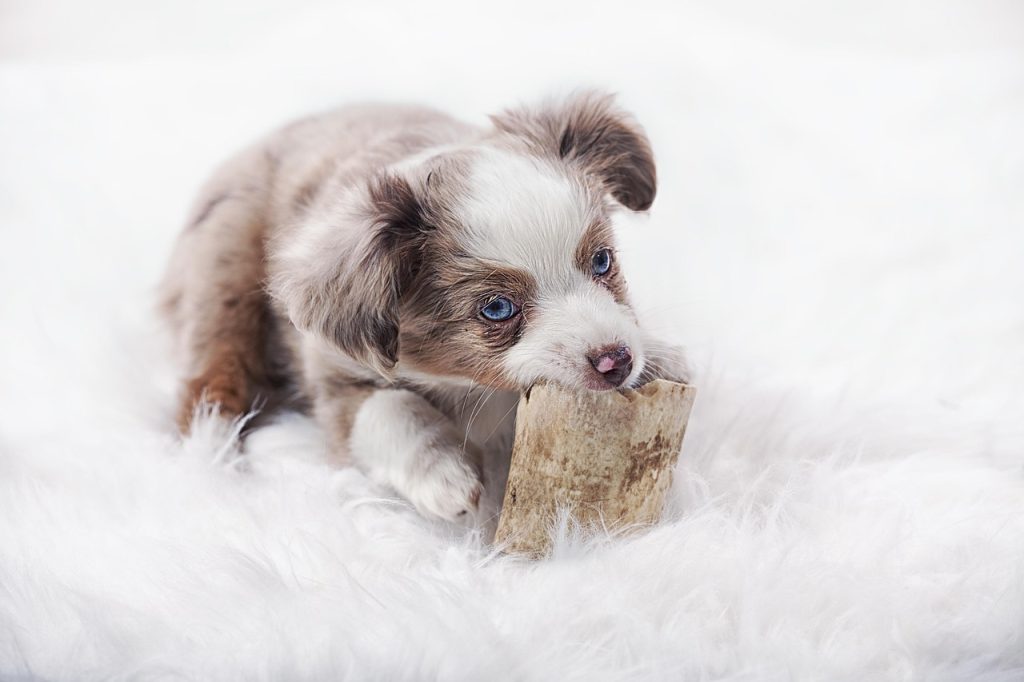
Many people buy extra-hard chews hoping they’ll last. But too-hard items can crack teeth. VCA advises the “fingernail rule”: you should be able to indent the toy with your nail, and very hard items (including bones/hooves and similar) can chip or fracture teeth.
Cornell’s vet dentistry guidance also warns that chewing very hard objects commonly causes fractured teeth and specifically calls out things like antlers, hooves, and bones.
One more reason to take this seriously: a Veterinary Ireland Journal review (2019) reported tooth fracture prevalence around 20%–27% in dogs.
Pick the Right Size (and the Right Shape)
Size = safety. When you’re shopping for puppy toys for teething, choose a toy larger than the widest part of your puppy’s mouth—especially if they’re the “gulp first, think later” type.
Shapes that tend to work well for teething:
- Rings: easy to hold, great for front teeth.
- Pacifiers: comfort-style chewing.
- Ridged/nubby textures: gum massage without sharp edges.
If your puppy is between sizes, size up. A toy can be “too big” and still be safe—but “too small” can become scary fast.
Texture Choices: Rubber, Nylon, Fabric, and More
Texture is the whole point with puppy toys for teething. You don’t need a mountain of toys—just a smart mix:
- Soft rubber: gives a little and feels good on sore gums.
- Puppy-specific nylon: helpful for light-to-moderate gnawers (check for sharp edges as it wears).
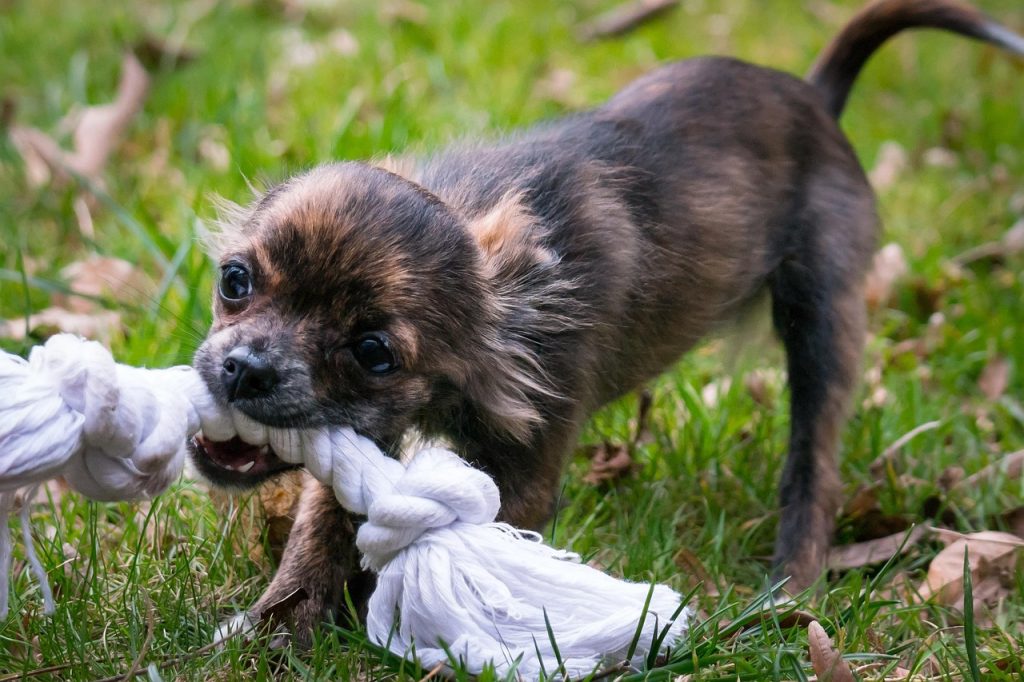
- Cloth/rope: soothing, but toss it once it frays.
A nice bonus: different textures keep your puppy from fixating on one thing (like chair legs). Variety is prevention.
Cooling Tricks for Instant Gum Relief
Cold helps inflamed gums settle down—especially after a high-energy play session.
- Chill/Freeze-safe toys: great for short “gum relief” sessions.
- Frozen washcloth: wet, twist, freeze, supervise. Cheap and surprisingly effective.
Avoid letting dogs crunch large ice cubes—vets warn hard items can damage teeth.
Stuffable Toys: Chewing + Licking = Calm
Licking is calming for many dogs, so stuffable toys can double as teething support and “settle time.” If your puppy gets mouthy at night (that classic “witching hour”), these can be some of the most helpful puppy toys for teething.
Simple fillings:
- Soaked kibble mash
- Plain canned puppy food
- Thin smear of xylitol-free peanut butter
A few safety notes:
- Skip ingredients like xylitol, onions/garlic, grapes/raisins, and anything super salty.
- Start with small portions to avoid upset stomach.
- Freeze it to slow them down and stretch the calm time.
Rotate Toys Like You Rotate Snacks
Leave one toy out all day and it becomes invisible. Rotate 3–4 toys and swap daily:
- 1 rubber chew
- 1 textured teether
- 1 stuffable calm toy
- (optional) 1 supervised soft toy
Pro tip: keep the “best” toy as your redirect tool. If your puppy goes for shoes, the only time they get Toy X is right then. That makes Toy X legendary.
Redirect Chewing Without Turning It Into a Battle
The goal isn’t “stop chewing.” It’s “chew the right thing.”
Quick redirect script:
- Offer a toy before teeth hit the table leg.
- The second they chew it, praise and move on.
Two mini-skills that change everything
- Trade: treat appears → item drops → reward. (No chasing, no drama.)
- Toy station: stash a basket of teething toys where trouble happens most—next to the couch, the entryway, the kids’ play area.
Keep a few puppy toys for teething within reach in the rooms where trouble happens most. You’ll feel silly at first. Then you’ll realize you haven’t wrestled a sock out of a mouth in three days, and you’ll feel like a wizard.
When Chewing Is Boredom or Big Feelings
Sometimes chewing isn’t about teeth—it’s about energy or stress. That’s why the “best chew toy” sometimes looks like… a sniff walk.
Try:
- Short sniff walks (5–10 minutes can work wonders)
- Food puzzles
- 2–5 minute training games (“touch,” “find it,” “sit”)
If chewing spikes when you leave the room, your puppy may be using chewing to self-soothe. Teething toys help, but routines and gradual alone-time practice matter too.
Cleaning and Safety Checks
Puppy toys get gross fast, and clean toys last longer.
- Rubber/nylon: warm water + mild soap, rinse well.
- Cloth: wash if the label allows; dry completely.
Retire toys when rubber breaks, stuffing shows, or rope frays—broken bits can be swallowed.
Also check for “knife-edge” wear: if a chew gets sharp corners, file it down (if the brand allows) or replace it.
Common Teething Toy Mistakes (and Easy Fixes)
- Going too hard: “lasts longer” can become “cracked tooth.”
- Wrong size: too small = choking risk.
- No variety: different days hurt different teeth; mix textures.
- No supervision: if it’s shreddable or edible, stay nearby.
When teething looks like a problem
Cornell notes fractured teeth can be painful—dogs may avoid chew toys, act sensitive to cold water, or refuse harder treats.
If you notice a broken tooth, bad breath that suddenly worsens, swelling, or persistent bleeding, book a vet visit.
Product Picks: 5 Puppy Toys for Teething That Meet the Basics
KONG Puppy Binkie (Pacifier)
Why it helps: comfort-style rubber chewing for sore gums.
Features: simple shape, easy grip, gentle “give.”
Best for: young puppies and gentle chewers.
KONG Ring (Rubber Chew Ring)
Why it helps: ring shape supports paw-holding and steady chewing.
Features: durable rubber, good for redirecting hands/feet biting.
Best for: pups who chew in one spot for a while.
Nylabone Puppy Chew Teething Pacifier
Why it helps: textured surfaces massage gums.
Features: nubby design, puppy-focused chew texture.
Best for: light-to-moderate chewers who love texture.
Nylabone Puppy Chew Key Ring Toy
Why it helps: easy to carry and chew during the evening “zoomies.”
Features: ring shape, multiple grip points.
Best for: smaller breeds and younger pups.
Nylabone Puppy Ring Bone Chew Toy
Why it helps: bone-like shape encourages back-tooth chewing.
Features: straightforward gnaw design that keeps focus.
Best for: moderate chewers who ignore plush toys.
Research-Backed: What Vets and Studies Say
Here’s the big takeaway: chewing should be satisfying, not dangerous—especially while those new teeth are coming in.
A 2019 review in the Veterinary Ireland Journal reported that tooth fractures show up in roughly 20%–27% of dogs, and it flagged a growing concern around fractures linked to very hard treats and chew toys—the kind that don’t “give” when a dog really bears down.
That’s backed up by a peer-reviewed study by Soltero-Rivera et al. (2019), which tested how much external force it takes to fracture one of the most important chewing teeth (the maxillary fourth premolar). It helps explain why “super tough” materials can push teeth past their safe limit—especially for puppies who chew with enthusiasm and zero chill.
And if chewing increases when your puppy feels stressed, this guide on separation anxiety in dogs can help you connect the dots and build a calmer plan.
FAQs About Puppy Toys for Teething
What are the safest puppy toys for teething?
Pick simple, non-toxic rubber or puppy-specific chews you can indent with a fingernail, sized too big to swallow. Supervise and replace worn toys.
Can I give my puppy a bone or antler for teething?
Many vets warn that very hard chews (bones, antlers, hooves) can fracture teeth. Choose softer, puppy-appropriate chews instead.
Should I freeze puppy teething toys?
Yes—cold can soothe sore gums. Freeze-safe rubber or a supervised frozen washcloth can help. Avoid hard crunching like large ice cubes.
When my puppy is teething, how can I prevent them from biting my hands?
Redirect early, keep a toy within reach, and praise the moment they chew it. Use “trade” games instead of pulling things away.
When does puppy teething end?
Many puppies finish around 6 months when adult teeth are in (some take longer). If baby teeth stick around, ask your vet.