Best Ear Cleaner for Dogs: 5 Researched Picks and Buying Guide
We may earn a commission for purchases made using our links. Please see our disclosure for more details.
Dirty ears can turn a normal grooming session into a guessing game: Is that wax harmless, does the odor mean trouble, and which bottle belongs in your cart? The right ear cleaner for dogs should match your dog’s ears, lifestyle, and reason for cleaning—not simply have the longest ingredient list. This guide compares five practical options for routine ear care, explains when wipes or liquid rinses make more sense, and shows you when cleaning should give way to a veterinary exam. You’ll also learn how often ear care may be appropriate and what matters most when comparing formulas confidently.
What Makes a Good Ear Cleaner for Dogs?
A good cleaner should loosen wax and debris, support gentle removal, and fit the frequency your veterinarian recommends. A routine ear cleaner for dogs is not the same as medication, so avoid judging products by dramatic infection-related language.
Application matters too. Consider whether you need a full-canal liquid rinse or an outer-ear wipe, plus the scent, bottle design, and directions. A theoretically impressive formula is not very useful if your dog will not tolerate it.
When Does Your Dog Actually Need Ear Cleaning?
Not every dog needs scheduled cleaning. PDSA’s veterinary guidance says many dogs may never need their ears cleaned unless they become dirty or waxy or a veterinarian recommends it.
Swimmers and dogs with recurring wax or ear trouble may need a more deliberate routine. Still, more is not automatically better: Merck lists overcleaning as a factor that can contribute to otitis externa.
When to Call the Vet Before You Clean
Pause before using an ear cleaner for dogs if you notice significant redness, swelling, pain, strong foul odor, unusual discharge, repeated head shaking, or persistent scratching. These signs can occur with otitis externa and other problems that need diagnosis rather than cosmetic cleaning.
A head tilt, balance loss, marked pain, or neurological changes deserve prompt veterinary attention. Also call your vet when one ear repeatedly causes trouble or the same symptoms keep returning.
Liquid Rinses vs. Ear Wipes
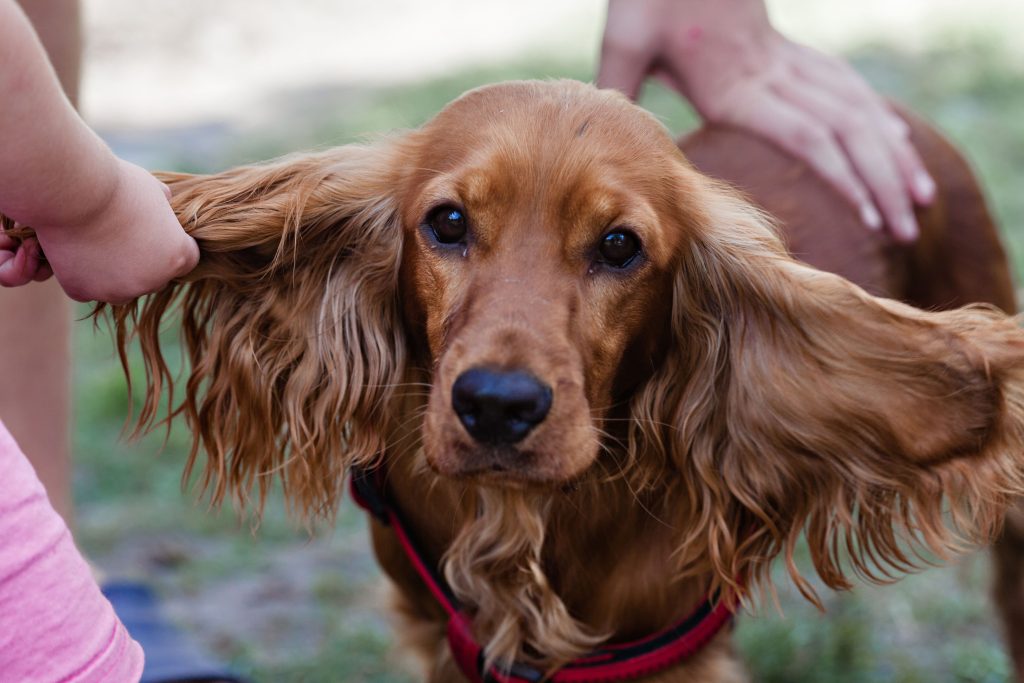
Liquid rinses can move through the external canal and loosen wax before massage and head shaking bring debris outward. They make sense when a proper canal clean is indicated and your dog tolerates liquid application.
Wipes are simpler for visible debris around the accessible ear opening. They suit travel and quick grooming, but they cannot flush the canal. So, they are not an equal substitute when full-canal cleaning is needed.
Ingredients and Formula Features Worth Considering
Start with purpose, not buzzwords. For routine maintenance, choose a formula intended for canine ears with clear directions. Depending on the product, useful features may include wax-loosening agents, surfactants, drying properties, neutral pH, or a non-medicated enzyme system.
Botanicals and fragrance are preferences, not proof of superiority. Most importantly, do not assume a routine ear cleaner for dogs treats yeast, bacteria, mites, or inflammation unless the product is specifically indicated and your veterinarian says it fits the diagnosis.
How to Match a Cleaner to Your Dog’s Lifestyle
Think about what happens before your dog’s ears need attention. Frequent swimmers may benefit from a veterinarian-approved cleaning and drying routine after water exposure, while dogs with only visible outer-ear debris may be easier to manage with wipes. Merck advises keeping canals dry and using drying agents for frequent swimmers when a veterinarian recommends them.
If handling is the main problem, prioritize application style and ask your veterinary team for a lower-stress technique.
Best Ear Cleaner for Dogs: 5 Recommended Options
The best ear cleaner for dogs depends on the job and your dog’s tolerance. These five picks cover different routines rather than repeating nearly identical formulas.
| Product | Format | Best for | Main consideration |
| Virbac EPIOTIC Advanced | Liquid | Routine full-canal cleaning | Requires liquid application and massage |
| ZYMOX Enzymatic Ear Cleanser | Liquid | Enzyme-based maintenance | Intended for dirty, non-infected ears |
| Pet MD Ear Wipes | Wipes | Travel and visible debris | Cannot flush the canal |
| Burt’s Bees for Pets Ear Cleaner | Liquid | Natural-origin preference | Botanical formula may not suit everyone |
| Vet’s Best Ear Relief Wash | Liquid | Post-bath or post-swim routines | Not an antimicrobial treatment |
Virbac EPIOTIC® Advanced Ear Cleanser, 4 oz
Best for: Routine full-canal maintenance
Virbac describes EPIOTIC Advanced as a routine cleanser for dogs and cats that can also be used before ear-treatment products. Its liquid format suits owners who need a conventional canal rinse rather than a surface wipe. The tradeoff is practical: your dog must tolerate liquid entering the ear and massage afterward.
ZYMOX Enzymatic Ear Cleanser, 4 oz
Best for: Non-medicated enzyme-based maintenance
ZYMOX uses proteins, enzymes, and surfactants in this cleanser for dirty, non-infected ears and positions it for ongoing maintenance. It is a sensible choice if you specifically want an enzyme-based cleaner. However, do not confuse it with treatment for an active infection, which requires veterinary assessment.
Pet MD Ear Wipes with Aloe Vera and Eucalyptus for Dogs, 100 Count
Best for: Travel and quick outer-ear cleanup
These disposable wipes contain aloe vera and eucalyptus and are designed for accessible areas of the ear. Pet MD lists them for dogs over 12 weeks old. They are convenient when liquid is awkward, although wipes only reach what you can safely access and cannot perform a full ear-canal flush.
Burt’s Bees for Pets Ear Cleaner for Dogs with Peppermint and Witch Hazel, 4 oz
Best for: Shoppers who prefer a natural-origin formula
This liquid cleaner combines peppermint and witch hazel and is marketed as a 99.7% natural-origin formula for dogs. It gives owners who prioritize that formulation style a familiar option. The limitation is important: botanical ingredients are not automatically better for every dog, and an inflamed or painful ear needs veterinary advice rather than repeated cleaning.
Vet’s Best Dog Ear Relief Wash, 4 oz
Best for: Routine cleaning after baths or swimming
Witch hazel, chamomile, aloe vera, clove oil, and tea tree oil are listed in Vet’s Best’s alcohol-free wash, which is recommended for use after bathing or swimming. The manufacturer also states that its ear-care products are not antimicrobial, antifungal, or antibacterial treatments, so suspected infection still requires veterinary assessment.
How to Use Ear Cleaner for Dogs Correctly
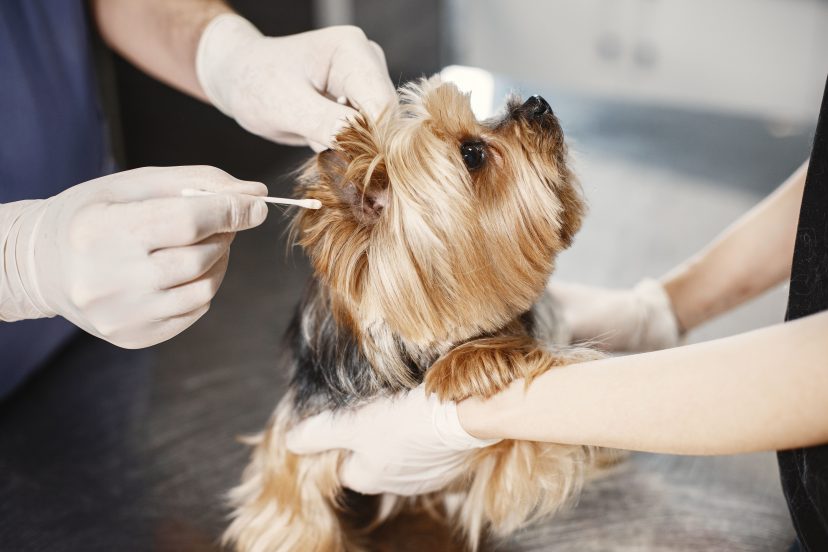
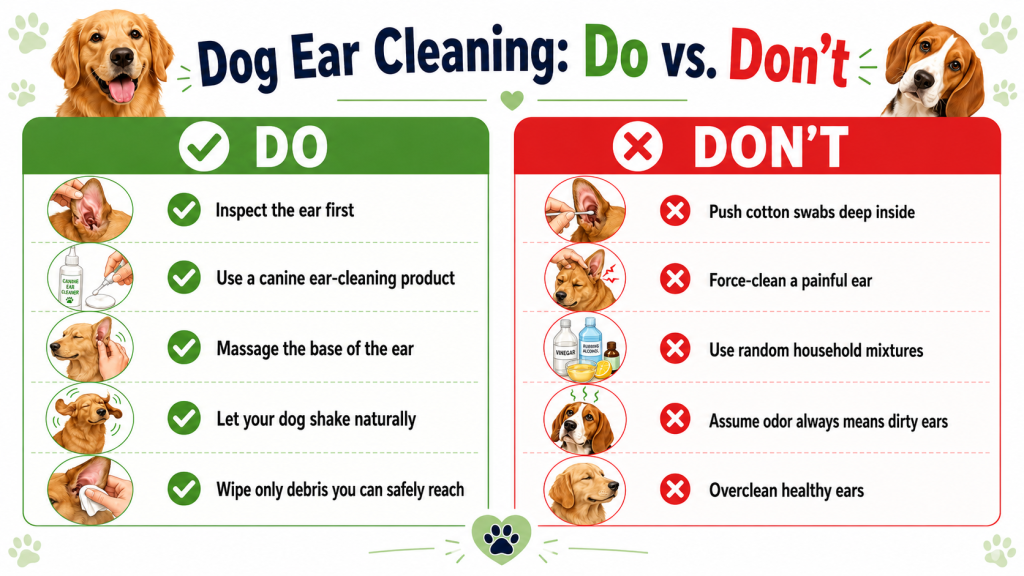
Inspect the ear first. If it is painful, red, swollen, or unusually dirty, call your vet rather than forcing a cleaning. For a routine liquid cleaner, follow the directions, apply the recommended amount, massage the ear base, let your dog shake, and wipe away loosened material you can safely reach.
Do not push cotton swabs down the canal; Merck warns they can drive debris deeper. For a fuller walkthrough, PetCureWell’s guide to how to clean dogs’ ears properly explains the technique step by step.
How Often Should You Clean Your Dog’s Ears?
There is no universal schedule. A healthy dog with clean ears may need little or no routine cleaning, while a dog with recurring wax or diagnosed ear disease may receive a specific maintenance plan.
Follow the label and your veterinarian’s instructions rather than cleaning simply because a certain number of days has passed. Overcleaning can irritate the ear environment.
Research-Backed Guidance on Dog Ear Cleaning
A 2021 VetCompass study of a random sample of 22,333 dogs under UK primary veterinary care reported a one-year otitis externa prevalence of 7.30% in 2016. Breed and ear carriage were important risk factors; compared with erect ears, pendulous and V-shaped drop ears had higher odds. This observational UK study helps explain risk patterns, but it does not prove that routine cleaners prevent disease. Read the peer-reviewed study on PubMed.
The Merck Veterinary Manual’s April 2026 review advises veterinary evaluation for abnormal ears and warns against irritating home remedies such as vinegar mixtures in inflamed ears. The 2023 AAHA allergic-skin-disease guidelines recommend ear cytology when ear disease is present as part of a broader diagnostic workup.
Evidence does not establish one over-the-counter ear cleaner for dogs as universally best. Product choice is therefore a practical decision informed by ear condition, veterinary guidance, and verified features—not a substitute for diagnosis.
Why Recurring Ear Problems Need a Diagnosis
Repeated odor, discharge, redness, or itching can mean more than “dirty ears.” Merck lists allergies, parasites, foreign material, bacteria, yeast, and middle-ear disease among potential causes or contributors to otitis externa.
A veterinarian can examine the canal and eardrum and may use cytology to identify what is happening. If an allergy or another underlying condition drives the problem, repeatedly changing cleaners leaves the cause untouched.
Common Buying Mistakes to Avoid
The biggest mistake is buying an ear cleaner for dogs as though every brown discharge or odor has the same cause. A cleanser may remove debris without treating the condition producing it.
Also avoid choosing solely by a long ingredient list, assuming “natural” means universally gentle, or using household mixtures in an inflamed ear. Check the exact product, too: brands may sell routine cleansers beside medicated or steroid-containing products, and those are not interchangeable.
How to Make Ear Cleaning Less Stressful
Set up your cleaner, cotton balls or pads, towel, and rewards before bringing your dog over. Work somewhere easy to wipe down because head shaking is normal. Keep the session short and calm.
If your dog freezes, growls, cries, or strongly resists, do not turn grooming into a battle; pain may be involved. Ask your veterinary team to check the ear and demonstrate technique. Merck notes that some animals tolerate a cleaner-soaked cotton-ball method better than direct squeezing.
Ear Cleaner for Dogs FAQ
Can I use ear cleaner for dogs if the ear smells bad?
A mild familiar smell differs from a new, strong, or foul odor. Because malodor can accompany otitis externa, especially with redness, discharge, scratching, or head shaking, contact your veterinarian before repeatedly cleaning. The right next step may be an exam and cytology rather than another cleanser.
Can I use dog ear cleaner every day?
Only if the directions and your veterinarian’s plan support that frequency. Many healthy dogs do not need daily—or even routine—ear cleaning. PDSA advises cleaning when ears are very dirty or waxy or when a veterinarian recommends it. Excessive cleaning can irritate the canal, so do not default to daily use without a reason.
Are wipes as effective as liquid ear cleaner?
They serve different jobs. Wipes handle accessible wax and debris around the ear opening and are convenient for quick grooming. A liquid ear cleaner for dogs can travel through more of the external canal when used correctly, making it better suited to a proper flush. Neither format should be pushed deep into a painful or inflamed ear without veterinary guidance.
Can I apply hydrogen peroxide or vinegar to my dog’s ears?
Avoid experimenting with household mixtures, especially when the ear is inflamed. Merck specifically warns that irritating home remedies such as vinegar mixtures can worsen swelling and secretions in affected ears. Hydrogen peroxide can also irritate tissue, so use a canine ear product or solution your veterinarian recommends instead of improvising.
What is the best ear cleaner for dogs that swim often?
A swimmer’s routine should address moisture as well as debris. Merck advises keeping canals dry and using drying agents when a veterinarian recommends them for frequent swimmers. Vet’s Best Ear Relief Wash specifically includes after-swimming use in its directions, while ZYMOX also positions its cleanser for maintenance. Find out from your veterinarian what frequency is best for your dog.
Final Recommendation: Choosing the Right Ear Cleaner for Dogs
Choose an ear cleaner for dogs by matching the format to the job. Virbac EPIOTIC Advanced is the most straightforward pick here for conventional routine liquid cleaning, while Pet MD Ear Wipes are easier for travel and visible surface debris. ZYMOX suits buyers who prefer a non-medicated enzyme-based cleanser, and Vet’s Best is worth considering for post-bath or post-swim care.
Before buying, look at the ear rather than the marketing. Healthy, mildly waxy ears need a different plan from red, painful, smelly, or repeatedly irritated ears. When symptoms suggest disease, skip trial-and-error shopping and get a veterinary diagnosis. For routine care, choose the gentlest practical format that matches your dog’s needs and your veterinarian’s recommended schedule.